

Are heat exchanger gaskets standardized? That's a question I get asked a lot as a heat exchanger gasket supplier. And it's not a simple yes or no answer. In this blog post, I'll break down the ins and outs of heat exchanger gasket standardization, share my experiences in the industry, and give you some insights that'll help you make informed decisions when it comes to sourcing these crucial components.
First off, let's talk about what heat exchanger gaskets are and why they're so important. Heat exchangers are used in a wide range of industries, from HVAC systems in buildings to industrial processes in manufacturing plants. Their job is to transfer heat between two fluids without them mixing. And gaskets play a vital role in this process. They seal the joints between the plates or sections of the heat exchanger, preventing leaks and ensuring efficient heat transfer.
Now, to the question of standardization. There are some standards out there for heat exchanger gaskets, but they're not as straightforward as you might think. For example, there are international standards like ISO 14692 for gaskets used in the oil and gas industry. These standards cover things like material properties, dimensions, and performance requirements. But even within these standards, there can be a lot of variation.
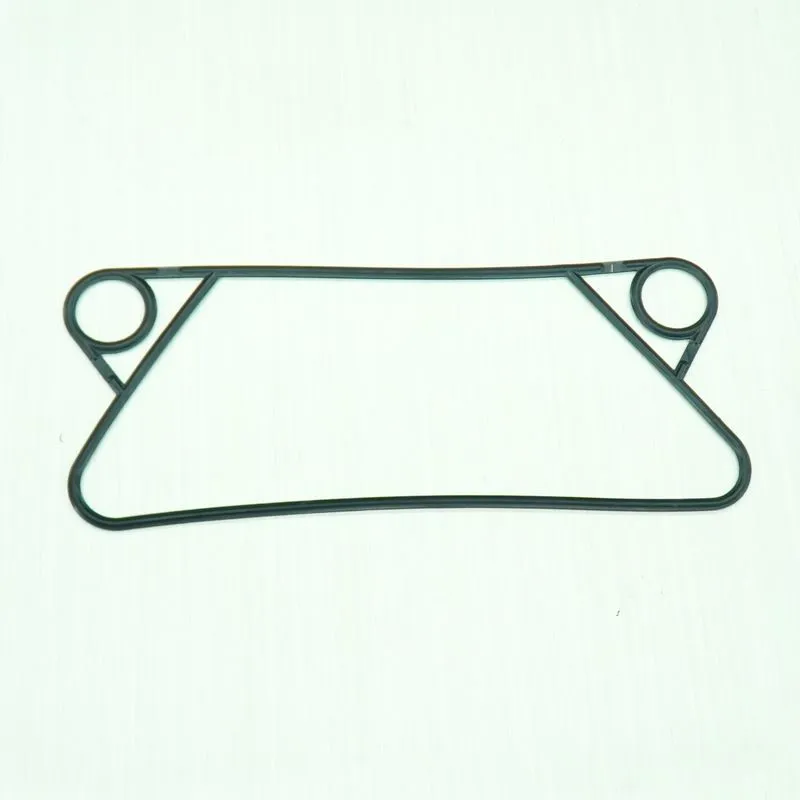

One of the main factors that affects standardization is the type of heat exchanger. There are different types, such as shell and tube heat exchangers and plate heat exchangers, and each has its own specific requirements for gaskets. Plate heat exchangers, for instance, often require gaskets with a specific shape and design to fit the plates properly. You can learn more about the materials used in plate heat exchanger gaskets on this page: Plate Heat Exchanger Gasket Material.
Another factor is the application. Different industries and processes have different operating conditions, such as temperature, pressure, and the type of fluids being used. Gaskets need to be able to withstand these conditions without failing. For example, in a chemical processing plant, the gaskets might need to be resistant to corrosive chemicals. In a food and beverage industry, they need to be food-safe. So, while there might be general standards, the specific requirements can vary widely depending on the application.
In my experience as a supplier, I've seen a lot of customers come in looking for "standard" gaskets, only to find that they need something more customized. That's because off-the-shelf gaskets might not always meet the exact needs of their heat exchangers. Sometimes, we have to work closely with the customers to understand their requirements and then design and manufacture gaskets that are a perfect fit.
Let's take a closer look at some of the aspects of heat exchanger gaskets where standardization can be a bit tricky.
Material
The material of the gasket is crucial. There are many different materials available, such as rubber, graphite, and PTFE. Each material has its own properties, like temperature resistance, chemical resistance, and flexibility. The choice of material depends on the application. For example, rubber gaskets are often used in applications where there's a need for good sealing and flexibility. You can find more information about heat exchanger rubber gaskets here: Heat Exchanger Rubber Gasket.
However, even when using the same material, there can be differences in quality and performance. Different manufacturers might use different formulations or manufacturing processes, which can affect the properties of the gaskets. So, just because a gasket is made of a certain material doesn't mean it'll meet all your requirements.
Dimensions
Dimensions are another area where standardization can be challenging. While there might be some general guidelines for the size and shape of gaskets, the actual dimensions can vary depending on the heat exchanger design. Some heat exchangers are custom-built, and their gaskets need to be custom-made to fit. Even for mass-produced heat exchangers, there can be slight variations in dimensions due to manufacturing tolerances.
Performance
Performance requirements are also highly specific to each application. Standards might give some general guidelines for things like leak rates and pressure ratings, but the actual performance needed can be much more demanding. For example, in a high-pressure steam application, the gasket needs to be able to seal tightly under extreme pressure without leaking.
So, what does all this mean for you as a buyer? Well, it means that you need to be careful when sourcing heat exchanger gaskets. Don't just assume that a "standard" gasket will work for your application. Here are some tips to help you make the right choice:
- Understand your requirements: Take the time to understand the operating conditions of your heat exchanger, including temperature, pressure, and the type of fluids. This will help you determine the material and performance requirements for the gaskets.
- Work with a reliable supplier: Look for a supplier who has experience in the industry and can provide you with customized solutions. A good supplier will be able to work with you to design and manufacture gaskets that meet your exact needs. You can find a variety of heat exchanger sealing gaskets on this page: Heat Exchanger Sealing Gasket.
- Ask for samples and testing: Before making a large order, ask for samples of the gaskets and have them tested in your application. This will help you ensure that the gaskets perform as expected.
In conclusion, while there are some standards for heat exchanger gaskets, they're not one-size-fits-all. The specific requirements of your heat exchanger and application will determine the type of gaskets you need. As a heat exchanger gasket supplier, I'm here to help you navigate through all these complexities and find the best gaskets for your needs. If you're in the market for heat exchanger gaskets, don't hesitate to reach out and start a conversation. We can work together to find the perfect solution for your heat exchanger.
References
- ISO 14692. Petroleum and natural gas industries – Glass-reinforced plastics (GRP) piping – Part 4: Gaskets and joints.
- Various industry reports and studies on heat exchanger technology and gasket materials.