

As a supplier of PHE gaskets, I often get asked about the coefficient of friction of these crucial components. In this blog post, I'll delve into what the coefficient of friction is, why it matters for PHE gaskets, and how it impacts the performance of plate heat exchangers.
Understanding the Coefficient of Friction
The coefficient of friction is a dimensionless quantity that represents the ratio of the force of friction between two surfaces to the normal force pressing them together. In simpler terms, it measures how difficult it is for one surface to slide over another. There are two main types of coefficients of friction: static and kinetic.
The static coefficient of friction (μs) applies when the two surfaces are at rest relative to each other. It determines the minimum force required to initiate motion between the surfaces. Once motion begins, the kinetic coefficient of friction (μk) comes into play. This coefficient is typically lower than the static coefficient, meaning it takes less force to keep the surfaces moving once they've started.
Importance of the Coefficient of Friction for PHE Gaskets
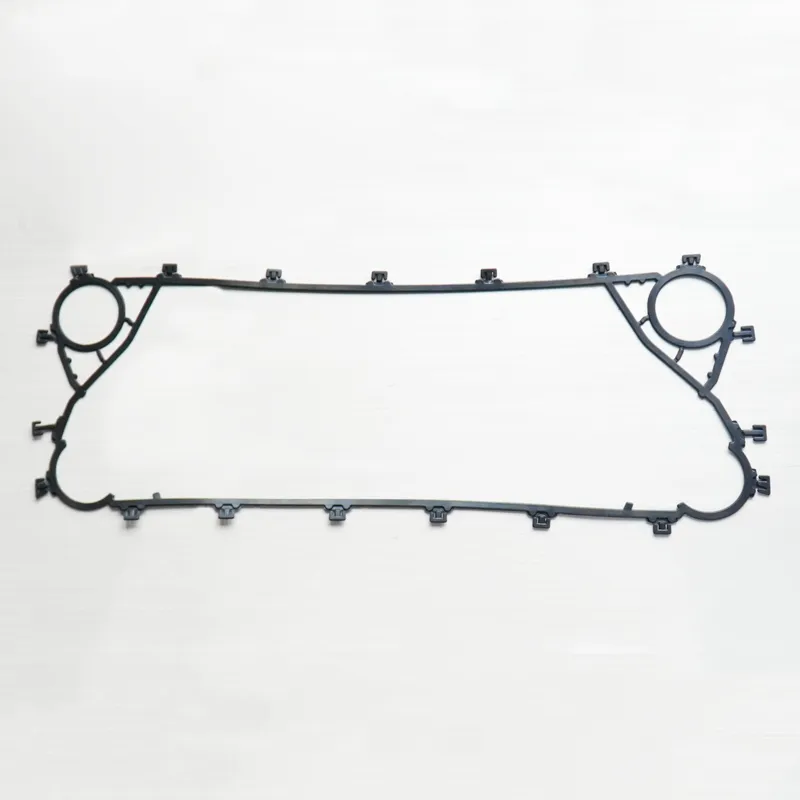
PHE gaskets play a vital role in plate heat exchangers, which are widely used in various industries for heating, cooling, and heat transfer applications. These gaskets are responsible for sealing the gaps between the plates, preventing leakage of the fluids being processed.
The coefficient of friction of PHE gaskets is crucial for several reasons:
- Sealing Performance: A high coefficient of friction helps the gasket maintain its position between the plates, ensuring a tight seal. This is especially important in applications where the fluids being processed are under high pressure or temperature.
- Preventing Movement: During operation, the plates in a heat exchanger may vibrate or experience mechanical stress. A gasket with a suitable coefficient of friction will resist movement, reducing the risk of leaks and ensuring the long-term reliability of the heat exchanger.
- Installation and Assembly: The coefficient of friction also affects the ease of installation and assembly of the gaskets. A gasket with the right amount of friction can be easily positioned and secured between the plates without slipping or shifting.
Factors Affecting the Coefficient of Friction of PHE Gaskets
Several factors can influence the coefficient of friction of PHE gaskets, including:
- Material Composition: Different gasket materials have different coefficients of friction. For example, rubber gaskets generally have a higher coefficient of friction compared to plastic or metal gaskets. The specific type of rubber used, such as EPDM, NBR, or Viton, can also affect the friction properties.
- Surface Finish: The surface finish of the gasket and the plates can have a significant impact on the coefficient of friction. A smooth surface finish may reduce friction, while a rough surface can increase it. Additionally, the presence of contaminants or lubricants on the surfaces can alter the friction characteristics.
- Temperature and Pressure: The coefficient of friction can vary with temperature and pressure. In general, higher temperatures can reduce the friction between the gasket and the plates, while higher pressures can increase it. It's important to consider these factors when selecting a gasket for a specific application.
- Contact Area: The amount of contact area between the gasket and the plates also affects the coefficient of friction. A larger contact area can result in a higher frictional force, providing better sealing performance.
Measuring the Coefficient of Friction of PHE Gaskets
Determining the coefficient of friction of PHE gaskets typically involves conducting laboratory tests. These tests can be performed using specialized equipment, such as a friction tester or a tribometer.
During the test, a sample of the gasket material is placed in contact with a representative surface, such as a plate from the heat exchanger. A normal force is applied to the sample, and the force required to initiate or maintain motion between the surfaces is measured. The coefficient of friction is then calculated using the appropriate formula.
It's important to note that the coefficient of friction obtained from laboratory tests may not exactly match the actual conditions in a real-world application. Factors such as surface roughness, temperature, and pressure can vary significantly in different operating environments. Therefore, it's advisable to consult with a gasket manufacturer or an expert in the field to ensure the selection of the most suitable gasket for your specific needs.
Choosing the Right PHE Gasket Based on the Coefficient of Friction
When selecting a PHE gasket, it's essential to consider the coefficient of friction along with other important factors, such as chemical compatibility, temperature resistance, and pressure rating.
Here are some tips to help you choose the right gasket:

- Understand Your Application: Determine the specific requirements of your heat exchanger application, including the type of fluids being processed, the operating temperature and pressure, and any other relevant factors.
- Consult with a Supplier: As a PHE gasket supplier, we have the expertise and experience to help you select the most appropriate gasket for your needs. We can provide you with detailed information about the coefficient of friction and other properties of our gaskets.
- Consider the Material: Different gasket materials have different coefficients of friction and other performance characteristics. Choose a material that is compatible with your application and offers the desired level of friction.
- Test and Evaluate: If possible, conduct tests or trials with different gasket materials to evaluate their performance in your specific application. This can help you make an informed decision and ensure the long-term reliability of your heat exchanger.
Conclusion
The coefficient of friction is an important property of PHE gaskets that can significantly impact the performance and reliability of plate heat exchangers. By understanding the concept of the coefficient of friction and considering it when selecting a gasket, you can ensure a tight seal, prevent leakage, and optimize the efficiency of your heat transfer system.
As a leading supplier of Plate Type Heat Exchanger Gasket, PHE Rubber Gasket, and Plate Heat Exchanger Gasket Material, we are committed to providing high-quality gaskets that meet the diverse needs of our customers. If you have any questions or need assistance in selecting the right gasket for your application, please don't hesitate to contact us. We look forward to working with you to find the best solution for your heat exchanger requirements.
References
- "Engineering Tribology" by Stachowiak and Batchelor
- "Handbook of Seal Technology" by Etsion and Sher
- Manufacturer's technical data sheets and product literature