

In the vast landscape of the chemical industry, heat exchange is a fundamental process that underpins numerous operations. From heating and cooling reactants to managing the temperature of various chemical streams, the efficiency and reliability of heat exchangers play a pivotal role in ensuring smooth and cost - effective production. Among the different types of heat exchangers available, the multi - tubular heat exchanger stands out as a versatile and widely applicable solution. As a supplier of multi - tubular heat exchangers, I am well - positioned to explore the viability and advantages of using these units in the chemical industry.
Working Principle of Multi - Tubular Heat Exchangers
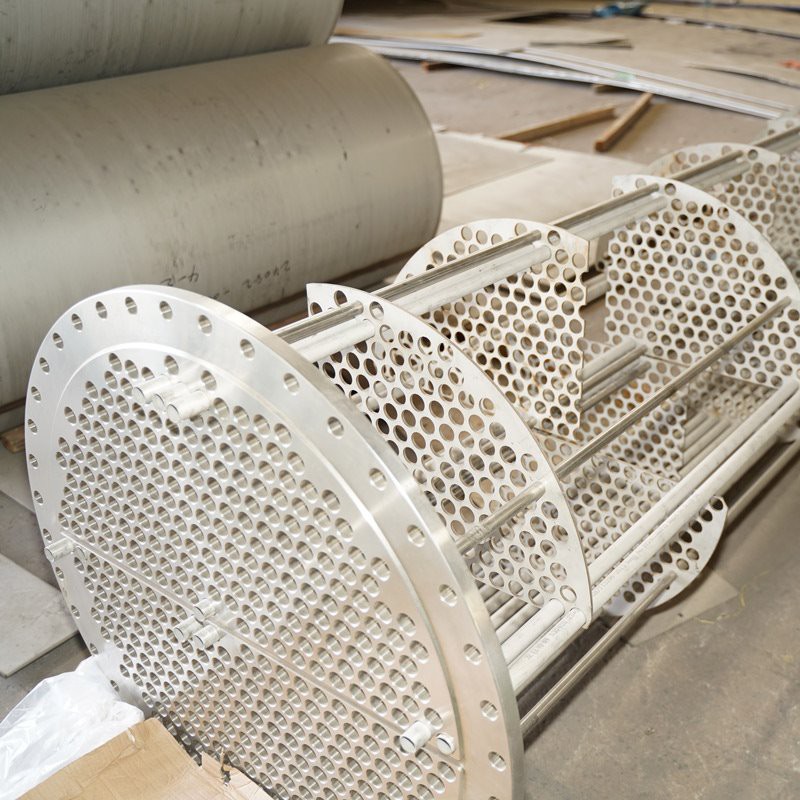
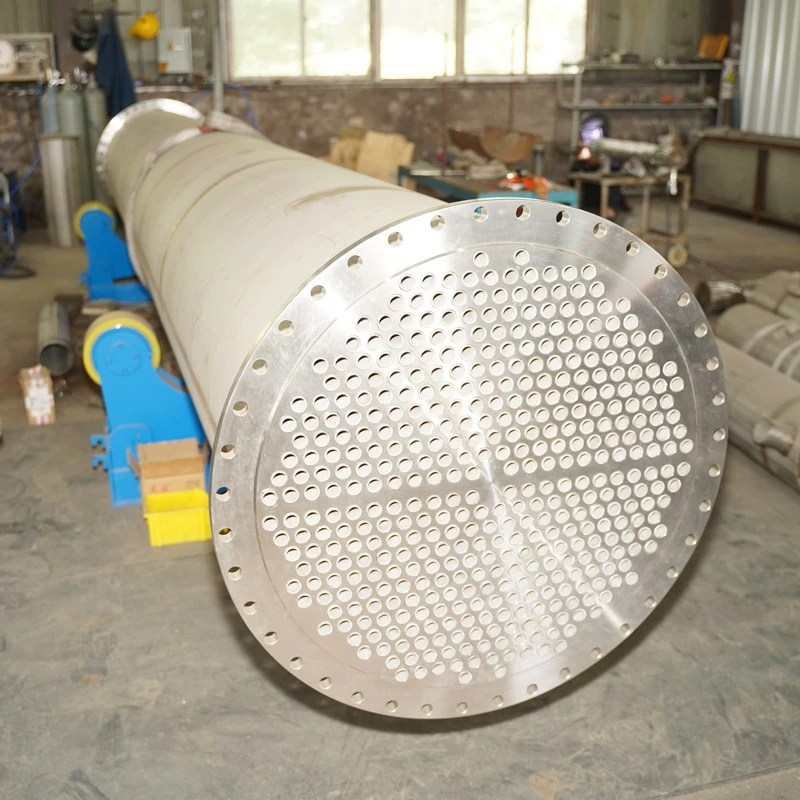
A multi - tubular heat exchanger consists of a bundle of tubes enclosed within a shell. One fluid flows through the tubes (tube - side fluid), while the other fluid flows outside the tubes within the shell (shell - side fluid). Heat is transferred from the hot fluid to the cold fluid through the tube walls. This design allows for a large surface area for heat transfer, which is crucial for efficient operation. The tubes can be arranged in various patterns, such as triangular or square pitch, to optimize the flow characteristics and heat transfer coefficient.
Advantages of Multi - Tubular Heat Exchangers in the Chemical Industry
High Heat Transfer Efficiency
The large surface area provided by the multiple tubes in a multi - tubular heat exchanger enables a high rate of heat transfer. In the chemical industry, where reactions often need to be carried out at specific temperatures, this high efficiency is essential. For example, in the production of petrochemicals, the cracking process requires precise temperature control. A multi - tubular heat exchanger can quickly heat or cool the reactants, ensuring that the reaction proceeds at the desired rate and with high selectivity.
Versatility in Fluid Handling
Chemical processes involve a wide range of fluids, including corrosive chemicals, high - viscosity liquids, and gases. Multi - tubular heat exchangers can be designed to handle these diverse fluids. For corrosive fluids, Stainless Steel Heat Exchanger can be used. Stainless steel has excellent corrosion resistance, which protects the heat exchanger from damage and extends its service life. On the other hand, for less corrosive applications, Mild Steel Tubular Heat Exchanger may be a more cost - effective option.
Easy Maintenance and Cleaning
In the chemical industry, fouling of heat exchangers is a common problem. Fouling occurs when deposits build up on the tube surfaces, reducing the heat transfer efficiency. Multi - tubular heat exchangers are relatively easy to maintain and clean. The tubes can be removed and cleaned individually, or chemical cleaning methods can be employed. This ease of maintenance helps to keep the heat exchanger operating at peak efficiency and reduces downtime.
Scalability
Chemical plants often need to expand their production capacity over time. Multi - tubular heat exchangers are highly scalable. Additional tube bundles can be added to increase the heat transfer area, allowing the heat exchanger to handle larger flow rates and higher heat loads. This scalability makes multi - tubular heat exchangers a practical choice for both small - scale and large - scale chemical operations.
Applications of Multi - Tubular Heat Exchangers in the Chemical Industry
Chemical Reactors
In chemical reactors, multi - tubular heat exchangers are used to control the temperature of the reaction mixture. For exothermic reactions, the heat exchanger removes the excess heat generated during the reaction, preventing overheating and ensuring the safety of the process. In endothermic reactions, the heat exchanger supplies the necessary heat to drive the reaction forward. For example, in the production of ammonia, the Haber - Bosch process requires precise temperature control, and multi - tubular heat exchangers are used to maintain the optimal reaction conditions.
Distillation Columns
Distillation is a common separation process in the chemical industry. Multi - tubular heat exchangers are used in distillation columns for heating the feed and condensing the overhead vapors. The heat exchanger provides the energy required for vaporization and helps to separate the different components of the mixture based on their boiling points.
Pharmaceutical Industry
In the pharmaceutical industry, Pharmaceutical Tubular Heat Exchanger are used in various processes, such as the production of active pharmaceutical ingredients (APIs). These heat exchangers need to meet strict quality and hygiene standards. They are designed to prevent contamination and ensure the purity of the pharmaceutical products.
Challenges and Solutions
Corrosion
As mentioned earlier, corrosion is a significant challenge in the chemical industry. However, by selecting the appropriate materials, such as stainless steel or other corrosion - resistant alloys, the problem can be mitigated. Regular inspection and maintenance also help to detect and address corrosion issues before they cause significant damage.
Fouling
Fouling can reduce the heat transfer efficiency and increase the pressure drop across the heat exchanger. To prevent fouling, proper fluid pretreatment can be carried out, such as filtration and chemical treatment. Additionally, the design of the heat exchanger can be optimized to minimize fouling, for example, by using smooth tube surfaces and appropriate flow velocities.
Conclusion
In conclusion, multi - tubular heat exchangers are well - suited for use in the chemical industry. Their high heat transfer efficiency, versatility in fluid handling, ease of maintenance, and scalability make them an ideal choice for a wide range of chemical processes. Whether it is in chemical reactors, distillation columns, or the pharmaceutical industry, multi - tubular heat exchangers play a crucial role in ensuring the efficiency and safety of chemical operations.
If you are in the chemical industry and are looking for a reliable multi - tubular heat exchanger solution, we invite you to contact us for procurement and further discussions. Our team of experts can provide you with customized heat exchanger designs based on your specific requirements.
References
- Incropera, F. P., & DeWitt, D. P. (2002). Fundamentals of Heat and Mass Transfer. Wiley.
- Green, D. W., & Perry, R. H. (2007). Perry's Chemical Engineers' Handbook. McGraw - Hill.
- Sinnott, R. K. (2005). Chemical Engineering Design: Principles, Practice and Economics of Plant and Process Design. Butterworth - Heinemann.