

Hey there! As a supplier of multi tubular heat exchangers in the refrigeration industry, I often get asked about how to select the appropriate refrigerant for these heat exchangers. It's a crucial decision that can significantly impact the performance, efficiency, and lifespan of your equipment. So, let's dive right in and explore the key factors you need to consider when making this choice.
1. Understanding the Basics of Refrigerants
First things first, let's quickly go over what refrigerants are and what they do. Refrigerants are substances used in refrigeration systems to transfer heat from one place to another. They work by undergoing a phase change from a liquid to a gas and back again, absorbing heat during the evaporation process and releasing it during condensation.
There are several types of refrigerants available in the market, each with its own unique properties and characteristics. Some of the most common types include hydrofluorocarbons (HFCs), hydrochlorofluorocarbons (HCFCs), and natural refrigerants like ammonia, carbon dioxide, and hydrocarbons.
2. Compatibility with the Heat Exchanger Material
One of the most important factors to consider when selecting a refrigerant is its compatibility with the material of your multi tubular heat exchanger. Different refrigerants can have different chemical reactions with various metals, which can lead to corrosion, erosion, or other forms of damage over time.
For example, ammonia is a highly effective refrigerant, but it can be corrosive to copper and some other metals. So, if you're using a heat exchanger made of copper, you'll need to choose a different refrigerant or take special precautions to protect the copper from corrosion.
On the other hand, carbon dioxide is a non - corrosive refrigerant that is compatible with a wide range of materials, including stainless steel and mild steel. If you're interested in a Mild Steel Tubular Heat Exchanger or a Duplex Stainless Steel Tubular Heat Exchanger, carbon dioxide could be a great choice.
3. Thermal Properties of the Refrigerant
The thermal properties of the refrigerant, such as its latent heat of vaporization, specific heat, and thermal conductivity, play a crucial role in determining the efficiency of the heat exchanger. A refrigerant with a high latent heat of vaporization can absorb more heat during the evaporation process, which means it can transfer more heat per unit mass.
For instance, hydrocarbons like propane and isobutane have relatively high latent heats of vaporization, making them efficient refrigerants. However, they are also flammable, so you need to take proper safety measures when using them.
The specific heat of the refrigerant affects how much heat it can store and release. A refrigerant with a high specific heat can store more heat, which can help in maintaining a more stable temperature in the refrigeration system.
4. Environmental Impact
In today's world, environmental concerns are a major factor in refrigerant selection. Many traditional refrigerants, such as HCFCs and some HFCs, have high ozone depletion potential (ODP) and global warming potential (GWP). These substances can contribute to the depletion of the ozone layer and climate change.
As a result, there has been a growing trend towards using natural refrigerants and low - GWP HFCs. Natural refrigerants like ammonia, carbon dioxide, and hydrocarbons have zero ODP and very low GWP, making them more environmentally friendly options.
If you're in an industry where environmental regulations are strict, like the pharmaceutical industry, you might want to consider a Pharmaceutical Tubular Heat Exchanger and pair it with an environmentally friendly refrigerant.
5. Operating Conditions
The operating conditions of the refrigeration system, such as the temperature and pressure ranges, also influence the choice of refrigerant. Different refrigerants have different boiling points and critical points, which determine their operating ranges.
For example, if you need a refrigerant for a low - temperature application, like a freezer or a cold storage facility, you'll need a refrigerant with a low boiling point. Ammonia is often used in such applications because it has a very low boiling point of - 33.34°C.
On the other hand, for high - temperature applications, you might need a refrigerant that can withstand higher pressures and temperatures without breaking down. Some of the newer HFC blends are designed to operate in high - temperature environments.
6. Safety Considerations
Safety is always a top priority when working with refrigerants. Some refrigerants, like ammonia, are toxic and can be harmful if inhaled. Others, like hydrocarbons, are flammable.
You need to ensure that your refrigeration system is designed and installed in a way that minimizes the risk of leaks and exposure to these hazardous substances. This might include using proper ventilation systems, leak detection devices, and following strict safety protocols.
7. Cost
Cost is another important factor to consider. The cost of the refrigerant itself can vary widely depending on the type and availability. In addition, there are also costs associated with the installation, maintenance, and disposal of the refrigerant.
For example, natural refrigerants like ammonia and carbon dioxide are generally less expensive than some of the synthetic refrigerants. However, the cost of implementing a safety system for ammonia can be relatively high due to its toxicity.
Making the Final Decision
Selecting the appropriate refrigerant for your multi tubular heat exchanger is a complex decision that requires careful consideration of all these factors. You need to balance the performance, efficiency, environmental impact, safety, and cost to find the best fit for your specific application.
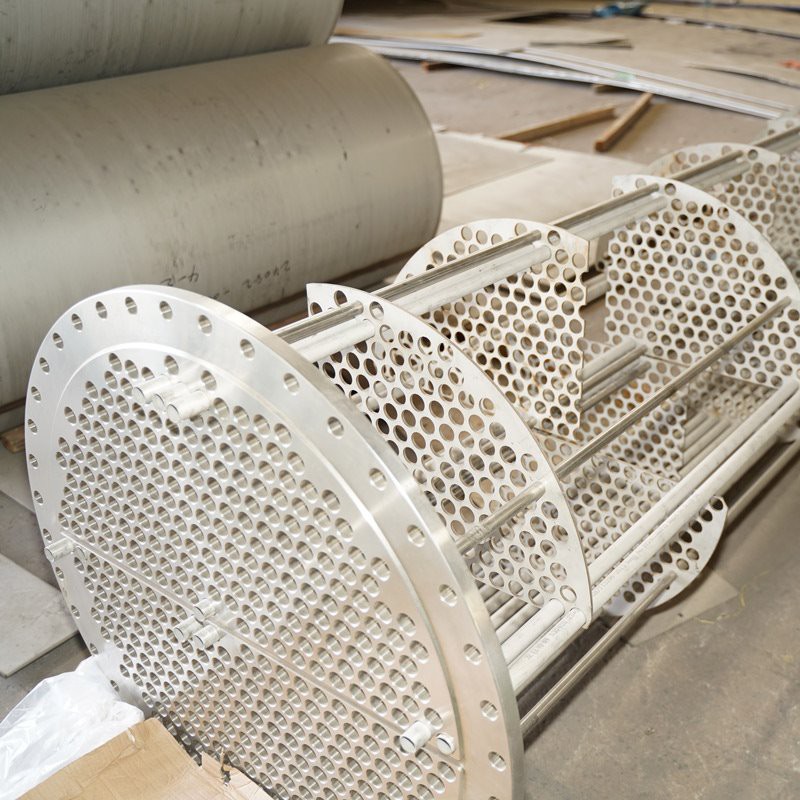

If you're still unsure about which refrigerant to choose, don't hesitate to reach out to us. We have a team of experts who can help you analyze your requirements and recommend the most suitable refrigerant and heat exchanger combination for your needs. Whether you're looking for a high - performance solution for a large - scale industrial application or a more environmentally friendly option for a smaller facility, we've got you covered.
So, if you're in the market for a multi tubular heat exchanger and need guidance on refrigerant selection, get in touch with us. We're here to help you make the right choice and ensure the long - term success of your refrigeration system.
References
- ASHRAE Handbook of Refrigeration. American Society of Heating, Refrigerating and Air - Conditioning Engineers.
- Refrigerant Safety Standards. International Institute of Ammonia Refrigeration.
- Environmental Impact of Refrigerants. United Nations Environment Programme.