

Scale formation in multi tubular heat exchangers used in the oil and gas industry is a common yet troublesome issue. As a supplier of multi tubular heat exchangers, I've seen firsthand how scale can mess things up. In this blog, I'll share some ways to tackle this problem.
First off, let's understand what causes scale formation. In the oil and gas industry, the fluids flowing through these heat exchangers often contain various minerals and impurities. When the temperature and pressure conditions change during the heat - exchange process, these minerals can precipitate out and form scale on the inner surfaces of the tubes. This scale acts as an insulator, reducing the heat transfer efficiency of the heat exchanger. As a result, the equipment has to work harder to achieve the desired temperature, leading to increased energy consumption and potential damage to the equipment over time.
One of the most straightforward ways to prevent scale formation is through water treatment. Before the fluid enters the heat exchanger, it can be treated to remove or reduce the concentration of scale - forming minerals. For example, softening the water can remove calcium and magnesium ions, which are common culprits in scale formation. This can be done using ion - exchange resins. These resins exchange the calcium and magnesium ions in the water for sodium ions, effectively reducing the hardness of the water. By doing so, the likelihood of scale formation is significantly decreased.
Chemical inhibitors are also a popular solution. There are various types of chemical inhibitors available in the market. These inhibitors work by interfering with the crystallization process of the scale - forming minerals. They can either prevent the minerals from sticking to the tube surfaces or break down the scale that has already formed. For instance, phosphonate - based inhibitors are widely used. They can adsorb onto the crystal surfaces of the scale - forming minerals, preventing further growth and aggregation. However, when using chemical inhibitors, it's important to ensure that they are compatible with the fluids in the heat exchanger and the materials of the tubes. Otherwise, they may cause corrosion or other problems.
Regular cleaning is another crucial step in solving the scale problem. There are two main types of cleaning methods: mechanical and chemical. Mechanical cleaning involves using physical force to remove the scale. For example, high - pressure water jetting can be used to blast the scale off the tube surfaces. This method is effective for removing thick and hard - to - remove scale. On the other hand, chemical cleaning uses chemicals to dissolve the scale. Acidic solutions are often used for this purpose. For example, hydrochloric acid can dissolve calcium carbonate scale. But be careful when using acidic solutions, as they can also corrode the tube materials if not used properly. It's essential to follow the correct procedures and safety guidelines when performing chemical cleaning.
Monitoring and control are also key aspects. Installing sensors in the heat exchanger can help monitor the operating conditions, such as temperature, pressure, and flow rate. By continuously monitoring these parameters, any changes that may indicate scale formation can be detected early. For example, a decrease in heat transfer efficiency or an increase in pressure drop across the heat exchanger may be signs of scale buildup. Once detected, appropriate actions can be taken promptly to address the problem.
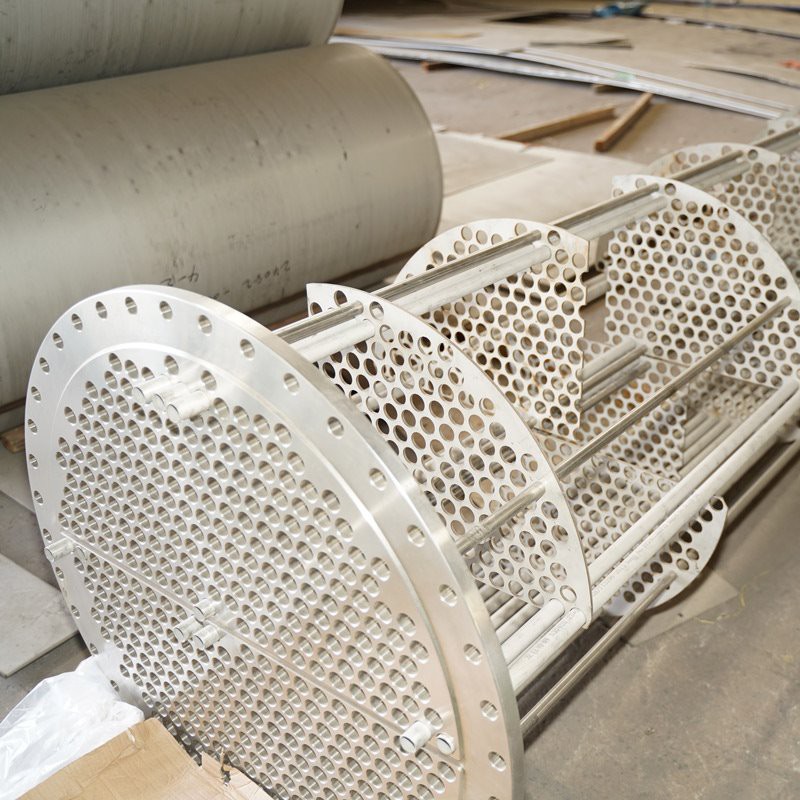
Now, let's talk about the different types of multi tubular heat exchangers we offer. We have the Compact Tubular Heat Exchanger, which is designed to be space - efficient without sacrificing performance. It's a great choice for applications where space is limited. The Pharmaceutical Tubular Heat Exchanger is specifically designed to meet the strict requirements of the pharmaceutical industry. It's made of high - quality materials that are resistant to corrosion and can ensure the purity of the fluids being processed. And the Mild Steel Tubular Heat Exchanger is a cost - effective option for many industrial applications. It offers good heat transfer performance and is relatively easy to maintain.
If you're facing scale problems in your multi tubular heat exchanger or are in the market for a new one, don't hesitate to reach out. We're here to help you find the best solutions for your specific needs. Whether it's choosing the right heat exchanger or implementing the most suitable scale - prevention methods, we have the expertise and experience to assist you.
In conclusion, scale formation in multi tubular heat exchangers in the oil and gas industry is a complex but solvable problem. By combining proper water treatment, the use of chemical inhibitors, regular cleaning, and effective monitoring, we can significantly reduce the impact of scale on the performance and lifespan of the heat exchangers. And with our wide range of heat exchanger products, we're confident that we can provide the perfect solution for your business.
References:

- "Heat Exchanger Design Handbook"
- "Water Treatment for Industrial Boilers and Cooling Systems"
- Research papers on scale prevention in heat exchangers from industry - related journals.