

As a supplier specializing in compact tubular heat exchangers, I'm excited to share some in - depth insights on how to upgrade an existing compact tubular heat exchanger. These heat exchangers are widely used in various industries due to their high efficiency, compact design, and reliability. However, over time, they may require upgrades to meet changing operational needs, improve performance, or comply with new regulations.
1. Assessing the Current State of the Heat Exchanger
Before initiating any upgrade, it's crucial to conduct a comprehensive assessment of the existing compact tubular heat exchanger. This involves evaluating its current performance parameters such as heat transfer efficiency, pressure drop, and flow rates. You should also inspect the physical condition of the exchanger, looking for signs of corrosion, fouling, or mechanical damage.
- Performance Testing: Measure the inlet and outlet temperatures of both the hot and cold fluids, as well as the pressure drops across the exchanger. Compare these values with the original design specifications. If there are significant deviations, it could indicate a problem that needs to be addressed during the upgrade.
- Inspection: Use non - destructive testing methods such as ultrasonic testing or visual inspection to check for tube integrity, corrosion, and fouling. Fouling, in particular, can significantly reduce the heat transfer efficiency of the exchanger and may require cleaning or tube replacement.
2. Identifying Upgrade Goals
Based on the assessment results, you can identify the specific goals of the upgrade. Common upgrade goals include:
- Increasing Heat Transfer Efficiency: By upgrading the heat exchanger tubes or improving the flow distribution, you can enhance the heat transfer coefficient, resulting in better overall performance. For example, replacing old tubes with tubes that have a higher thermal conductivity or a more efficient surface geometry can significantly increase heat transfer.
- Reducing Pressure Drop: High pressure drops can increase energy consumption and limit the flow rate of fluids through the exchanger. Upgrades such as optimizing the tube layout or using larger diameter tubes can help reduce pressure drop.
- Enhancing Durability and Reliability: If the heat exchanger is showing signs of corrosion or mechanical wear, upgrading materials or components can improve its durability and reliability. For instance, switching from a mild steel tubular heat exchanger Mild Steel Tubular Heat Exchanger to one made of more corrosion - resistant materials can extend its service life.
- Meeting New Regulations: As environmental and safety regulations evolve, the existing heat exchanger may need to be upgraded to comply with new standards. This could involve improving leak prevention measures or reducing emissions.
3. Selecting the Right Upgrade Options
Tube Upgrades
One of the most effective ways to upgrade a compact tubular heat exchanger is by replacing the tubes. You can choose from different tube materials and designs:

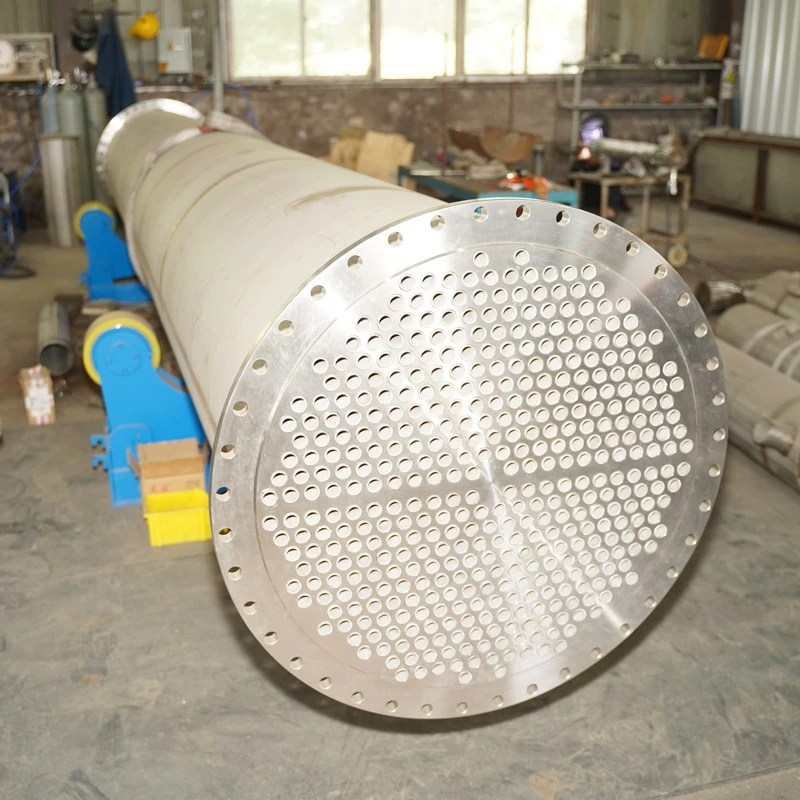
- Material Selection: Consider using tubes made of materials with high thermal conductivity and corrosion resistance, such as stainless steel, titanium, or copper - nickel alloys. These materials can withstand harsh operating conditions and improve the long - term performance of the heat exchanger.
- Tube Design: Tubes with enhanced surface geometries, such as finned tubes or micro - structured tubes, can significantly increase the heat transfer area and improve heat transfer efficiency. For example, finned tubes can provide up to 10 times more surface area compared to plain tubes.
Shell and Baffle Upgrades
The shell and baffles of the heat exchanger also play an important role in its performance. Upgrades in this area can include:
- Baffle Design: Optimizing the baffle design can improve the flow distribution of the fluids inside the shell, reducing dead zones and enhancing heat transfer. For example, using segmental baffles with a proper baffle cut can ensure better cross - flow of the shell - side fluid.
- Shell Material and Thickness: If the shell is showing signs of corrosion or damage, upgrading the shell material or increasing its thickness can improve the overall durability of the heat exchanger.
Control System Upgrades
Modernizing the control system of the heat exchanger can improve its operational efficiency and reliability. This can involve installing new sensors to monitor temperature, pressure, and flow rates in real - time, and using advanced control algorithms to optimize the operation of the exchanger. For example, a programmable logic controller (PLC) can be used to adjust the flow rates of the hot and cold fluids based on the process requirements.
4. Implementation of the Upgrade
Once the upgrade options have been selected, it's time to implement the changes. This process should be carefully planned and executed to minimize downtime and ensure the safety of the operation.
- Planning: Develop a detailed project plan that includes a timeline, budget, and a list of required resources. Coordinate with the maintenance team, contractors, and suppliers to ensure a smooth implementation process.
- Installation: Follow the manufacturer's instructions for installing the new components. Make sure that all connections are properly sealed and that the new tubes or other parts are installed correctly.
- Testing: After the installation is complete, conduct thorough testing to verify the performance of the upgraded heat exchanger. This includes checking for leaks, measuring the heat transfer efficiency, and monitoring the pressure drops.
5. Maintenance and Monitoring
After the upgrade, proper maintenance and monitoring are essential to ensure the long - term performance of the compact tubular heat exchanger.
- Regular Maintenance: Establish a regular maintenance schedule that includes cleaning, inspection, and preventive maintenance tasks. This can help prevent fouling, corrosion, and other issues that can affect the performance of the exchanger.
- Monitoring: Continuously monitor the performance of the heat exchanger using the installed sensors and control system. Analyze the data regularly to detect any potential problems early and take appropriate action.
In conclusion, upgrading an existing compact tubular heat exchanger is a complex but rewarding process. By following the steps outlined above, you can improve the performance, efficiency, and reliability of your heat exchanger, ensuring that it meets your operational needs for years to come.
If you are considering upgrading your compact tubular heat exchanger or are interested in our Compact Tubular Heat Exchanger products, we invite you to reach out for a detailed discussion. We are committed to providing high - quality solutions tailored to your specific requirements. For more information about tubular type heat exchangers in general, you can visit our Tubular Type Heat Exchanger page.
References
- Incropera, F. P., DeWitt, D. P., Bergman, T. L., & Lavine, A. S. (2007). Fundamentals of heat and mass transfer. Wiley.
- Kern, D. Q. (1950). Process heat transfer. McGraw - Hill.
- Shah, R. K., & Sekulic, D. P. (2003). Fundamentals of heat exchanger design. Wiley - Interscience.