

In the pharmaceutical industry, ensuring the performance of multi tubular heat exchangers is crucial for maintaining the quality and efficiency of production processes. As a multi tubular heat exchanger supplier, I understand the significance of validating the performance of these essential components. This blog post will delve into the key aspects of validating the performance of multi tubular heat exchangers used in the pharmaceutical industry.
Understanding the Role of Multi Tubular Heat Exchangers in the Pharmaceutical Industry
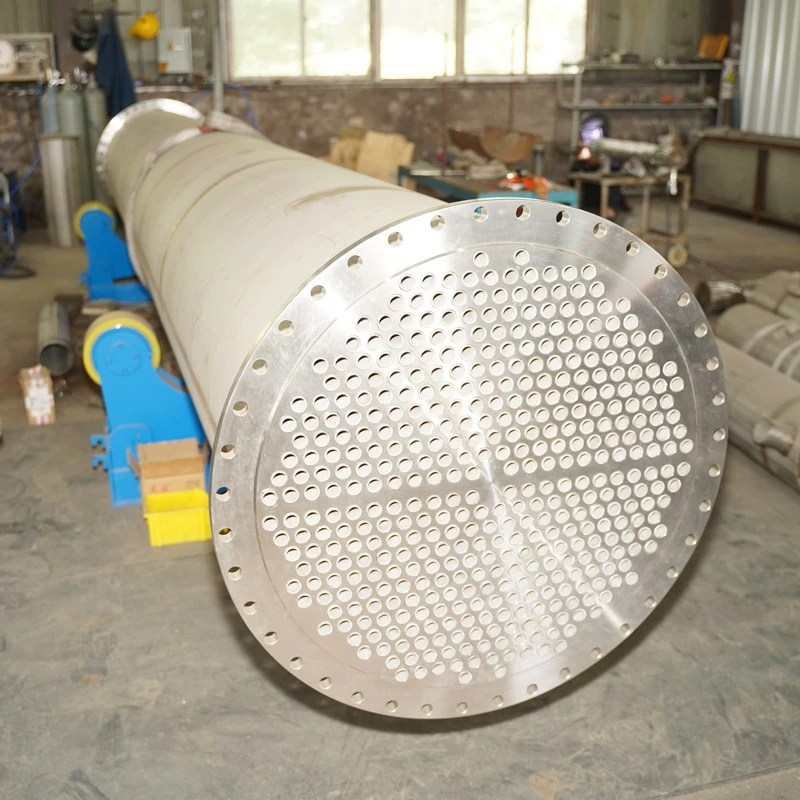
Multi tubular heat exchangers play a vital role in the pharmaceutical industry by facilitating the transfer of heat between two or more fluids. They are used in various processes, such as heating, cooling, evaporation, and condensation, to ensure precise temperature control and maintain the integrity of pharmaceutical products. These heat exchangers are designed to handle a wide range of fluids, including liquids, gases, and steam, and are available in different materials, such as Compact Tubular Heat Exchanger, Mild Steel Tubular Heat Exchanger, and Stainless Steel Heat Exchanger, to meet the specific requirements of pharmaceutical applications.
Key Performance Indicators for Multi Tubular Heat Exchangers
To validate the performance of multi tubular heat exchangers, it is essential to consider several key performance indicators (KPIs). These KPIs provide valuable insights into the efficiency, effectiveness, and reliability of the heat exchanger and help ensure that it meets the required standards and specifications. Some of the critical KPIs for multi tubular heat exchangers include:
Heat Transfer Efficiency
Heat transfer efficiency is a measure of how effectively the heat exchanger transfers heat from one fluid to another. It is typically expressed as a percentage and is calculated by comparing the actual heat transfer rate to the maximum possible heat transfer rate. A high heat transfer efficiency indicates that the heat exchanger is operating efficiently and effectively, while a low efficiency may suggest the presence of fouling, scaling, or other issues that can reduce the performance of the heat exchanger.
Pressure Drop
Pressure drop is the difference in pressure between the inlet and outlet of the heat exchanger. It is a critical parameter that affects the energy consumption and performance of the heat exchanger. A high pressure drop can increase the energy consumption of the system and reduce the flow rate of the fluids, while a low pressure drop may indicate that the heat exchanger is not operating at its optimal efficiency.
Temperature Control
Temperature control is essential in the pharmaceutical industry to ensure the quality and stability of pharmaceutical products. The heat exchanger should be able to maintain the desired temperature of the fluids within a specified range to prevent overheating or cooling, which can affect the chemical and physical properties of the products.
Fouling Resistance
Fouling is the accumulation of unwanted materials on the surfaces of the heat exchanger, which can reduce the heat transfer efficiency and increase the pressure drop. Fouling resistance is a measure of the ability of the heat exchanger to resist fouling and maintain its performance over time. A high fouling resistance indicates that the heat exchanger is less prone to fouling and requires less maintenance.
Validation Methods for Multi Tubular Heat Exchangers
To validate the performance of multi tubular heat exchangers, several methods can be used, including:
Design and Calculation
The design and calculation of the heat exchanger are crucial for ensuring its performance. The heat exchanger should be designed based on the specific requirements of the pharmaceutical application, including the flow rate, temperature, pressure, and properties of the fluids. The design should also consider the heat transfer coefficient, pressure drop, and fouling resistance of the heat exchanger to ensure its optimal performance.
Testing and Commissioning
Testing and commissioning are essential steps in validating the performance of the heat exchanger. The heat exchanger should be tested under various operating conditions to ensure that it meets the required standards and specifications. The testing should include measurements of the heat transfer rate, pressure drop, temperature control, and fouling resistance of the heat exchanger.
Monitoring and Maintenance
Monitoring and maintenance are critical for ensuring the long-term performance of the heat exchanger. The heat exchanger should be monitored regularly to detect any changes in its performance, such as a decrease in heat transfer efficiency or an increase in pressure drop. The monitoring should include measurements of the temperature, pressure, flow rate, and other parameters of the fluids. Any issues detected during the monitoring should be addressed promptly to prevent further damage to the heat exchanger.

Importance of Validation in the Pharmaceutical Industry
Validation is essential in the pharmaceutical industry to ensure the quality, safety, and efficacy of pharmaceutical products. The performance of multi tubular heat exchangers can have a significant impact on the quality and stability of pharmaceutical products, and therefore, it is crucial to validate their performance to ensure that they meet the required standards and specifications. Validation also helps to comply with regulatory requirements and ensure the reliability and consistency of the production processes.
Conclusion
Validating the performance of multi tubular heat exchangers used in the pharmaceutical industry is crucial for ensuring the quality, safety, and efficacy of pharmaceutical products. As a multi tubular heat exchanger supplier, I understand the importance of providing high-quality heat exchangers that meet the specific requirements of the pharmaceutical industry. By considering the key performance indicators, using appropriate validation methods, and ensuring proper monitoring and maintenance, we can help our customers optimize the performance of their heat exchangers and ensure the success of their pharmaceutical production processes.
If you are interested in learning more about our multi tubular heat exchangers or would like to discuss your specific requirements, please feel free to contact us for a procurement discussion. We look forward to the opportunity to work with you and provide you with the best heat exchanger solutions for your pharmaceutical applications.
References
- Incropera, F. P., & DeWitt, D. P. (2002). Fundamentals of heat and mass transfer. John Wiley & Sons.
- Shah, R. K., & Sekulic, D. P. (2003). Fundamentals of heat exchanger design. John Wiley & Sons.
- TEMA Standards, Tubular Exchanger Manufacturers Association, Inc., 9th Edition, 2019.