

Hey there! As a supplier of plate heat exchanger gaskets, I often get asked about the fire resistance properties of these little but crucial components. So, let's dive right into it and explore what makes plate heat exchanger gaskets fire - resistant and why it matters.
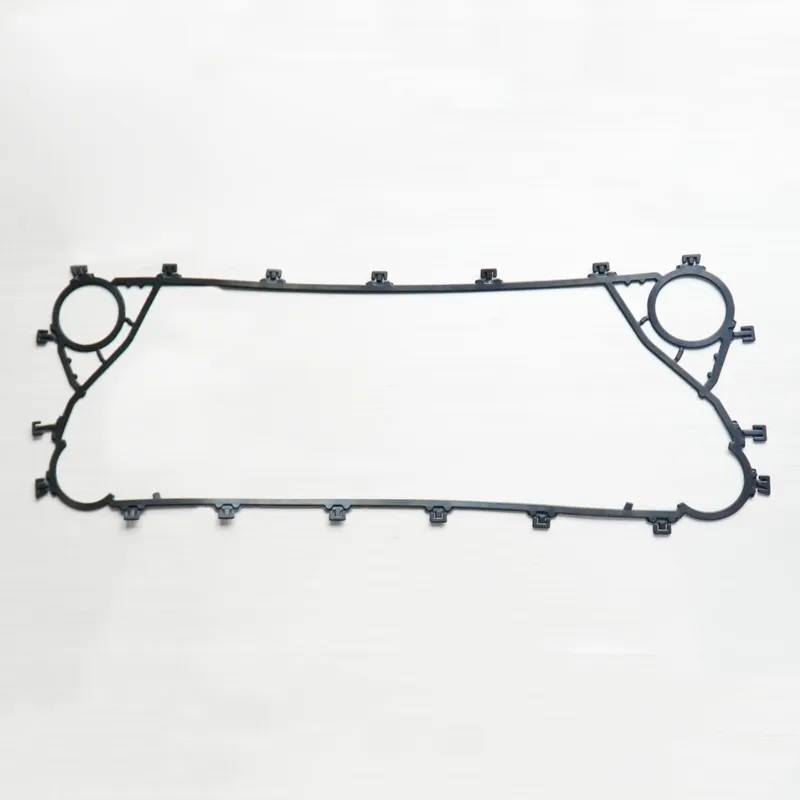
First off, what exactly is a plate heat exchanger gasket? Well, it's a seal that sits between the plates of a heat exchanger. Heat exchangers are used in a whole bunch of industries, from HVAC systems in buildings to chemical processing plants. The gasket's job is to prevent the fluids inside the heat exchanger from leaking out and to keep different fluids separate if there are multiple ones flowing through the exchanger.
Now, when it comes to fire resistance, it's not something to be taken lightly. In many industrial settings, there's a risk of fire due to various factors like electrical malfunctions, chemical reactions, or just plain old human error. If a fire breaks out near a heat exchanger, the gaskets need to be able to withstand the heat and not give way.
One of the key factors that determine the fire resistance of a gasket is the material it's made from. There are several types of materials commonly used for plate heat exchanger gaskets, and each has its own fire - resistant characteristics.
Let's start with rubber. Rubber gaskets, like the Heat Exchanger Rubber Gasket, are quite popular because they're flexible and can form a good seal. But not all rubber is created equal when it comes to fire resistance. Some types of rubber, such as EPDM (Ethylene Propylene Diene Monomer), have decent fire - resistant properties. EPDM can withstand relatively high temperatures before it starts to break down. However, it's not completely fireproof. In a severe fire, EPDM will eventually burn, but it can provide some level of protection for a certain period.
Another material is nitrile rubber. Nitrile gaskets are known for their resistance to oils and chemicals, but their fire - resistant capabilities are also worth considering. They can handle moderate heat, but again, they're not indestructible in the face of a raging fire.
Then there are more high - performance materials like silicone. Silicone gaskets have excellent heat resistance. They can withstand very high temperatures without losing their shape or sealing properties. This makes them a great choice for applications where fire risk is a concern. For example, in some industrial ovens or high - temperature processing areas, silicone gaskets can keep the heat exchanger functioning even when things get hot.
Graphite is another material that's often used for fire - resistant gaskets. Graphite has natural fire - resistant properties. It can handle extremely high temperatures and is often used in applications where a high level of fire protection is required. Graphite gaskets can be used in power plants, refineries, and other high - risk industrial environments.
The thickness of the gasket also plays a role in its fire resistance. A thicker gasket generally has better insulation properties and can withstand heat for a longer time. However, there's a balance to be struck here. If the gasket is too thick, it might not fit properly in the heat exchanger or could cause other issues with the system's performance.
The design of the gasket is also important. A well - designed gasket will have features that help it resist fire. For example, some gaskets have special coatings or layers that can act as a barrier against heat and flames. These coatings can slow down the spread of fire and protect the underlying material.
Now, let's talk about the standards and certifications related to fire resistance. There are various international standards that gaskets need to meet if they're going to be used in fire - prone environments. For example, the ASTM (American Society for Testing and Materials) has a set of standards for fire - resistant materials. Gaskets that meet these standards have been tested to ensure that they can withstand a certain level of heat and fire for a specified period.
When choosing a fire - resistant plate heat exchanger gasket, it's crucial to consider the specific requirements of your application. You need to think about the maximum temperature the gasket will be exposed to, the duration of the potential fire, and the overall environment in which the heat exchanger is located.
If you're in an industry where fire safety is a top priority, like the oil and gas industry or the chemical industry, you might want to opt for gaskets made from high - performance materials like silicone or graphite. These materials can give you the peace of mind that your heat exchanger will continue to function even in the event of a fire.
On the other hand, if the fire risk is relatively low, a rubber gasket might be a more cost - effective option. But you still need to make sure that it has at least some level of fire resistance.

As a supplier, I've seen firsthand the importance of choosing the right gasket for the job. I've worked with customers in different industries, and each one has its own unique requirements. Whether it's a small HVAC system in a commercial building or a large - scale industrial heat exchanger, getting the fire - resistant properties right is essential.
We offer a wide range of plate heat exchanger gaskets, including the Black Plate Heat Exchanger Gasket and the Plate Type Heat Exchanger Gasket. Our gaskets are made from high - quality materials and are designed to meet various fire - resistance standards.
If you're in the market for plate heat exchanger gaskets and are concerned about fire resistance, don't hesitate to reach out. We can help you choose the right gasket for your specific needs. Whether you need a gasket that can withstand a little heat or one that can handle a full - blown fire, we've got you covered.
In conclusion, the fire resistance properties of plate heat exchanger gaskets depend on a variety of factors, including the material, thickness, design, and standards they meet. By understanding these factors, you can make an informed decision when choosing a gasket for your heat exchanger. And remember, when it comes to fire safety, it's always better to be safe than sorry. So, take the time to evaluate your options and choose a gasket that will keep your heat exchanger and your facility safe.
If you have any questions or want to discuss your gasket requirements in more detail, feel free to contact us. We're here to help you find the perfect solution for your plate heat exchanger needs.
References
- ASTM International standards on fire - resistant materials
- Industry research on heat exchanger gasket materials and their properties
- Technical data sheets from gasket manufacturers