

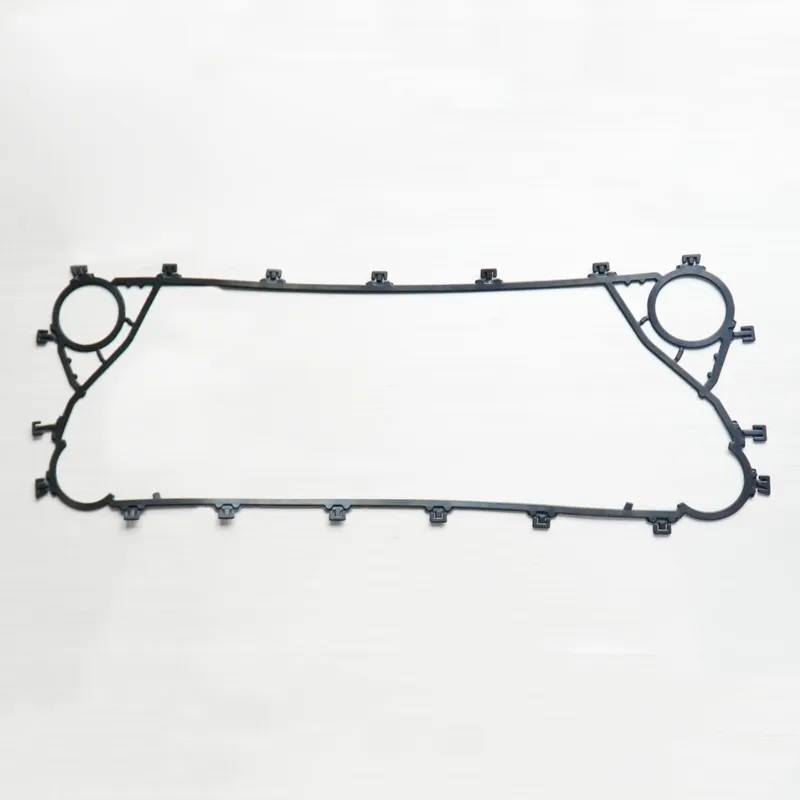
Plate heat exchangers are widely used in various industrial applications due to their high efficiency, compact design, and easy maintenance. Gaskets play a crucial role in these heat exchangers, as they ensure a tight seal between the plates, preventing leakage of the fluids being processed. Understanding the wear characteristics of plate heat exchanger gaskets is essential for both suppliers and users to optimize performance, extend service life, and reduce maintenance costs. As a supplier of plate heat exchanger gaskets, I am well - versed in the factors that contribute to gasket wear and the strategies to mitigate them.
1. Physical Wear
Physical wear is one of the most common forms of damage to plate heat exchanger gaskets. This type of wear is mainly caused by mechanical forces acting on the gaskets during the operation of the heat exchanger.
Friction and Abrasion
During the assembly and disassembly of the plate heat exchanger, the gaskets may rub against the plates or other components. This friction can gradually wear down the gasket material, reducing its thickness and compromising its sealing ability. Additionally, any particles or debris present in the fluids flowing through the heat exchanger can act as abrasives, further accelerating the wear process. For example, in industrial cooling systems where water may contain sand or rust particles, the gaskets are more likely to experience abrasive wear.
Compression Set
When a gasket is installed in a plate heat exchanger, it is compressed between the plates to create a seal. Over time, the gasket may lose its ability to recover its original shape after being compressed, a phenomenon known as compression set. This is especially true when the gasket is exposed to high temperatures or pressures for extended periods. A high compression set can lead to a decrease in the contact pressure between the gasket and the plates, resulting in leakage. To address this issue, we offer Plate Heat Exchanger Rubber Gasket made from high - quality rubber materials with excellent compression set resistance.
Vibration
Vibrations in the heat exchanger system can also cause physical wear to the gaskets. These vibrations can be generated by pumps, fans, or other equipment in the vicinity. Continuous vibration can cause the gasket to move relative to the plates, leading to fatigue and eventual failure. Proper installation and support of the heat exchanger can help reduce the impact of vibration on the gaskets.
2. Chemical Wear
Chemical wear occurs when the gasket material reacts with the fluids flowing through the heat exchanger. Different fluids have different chemical properties, and some can be highly corrosive or reactive to certain gasket materials.
Chemical Attack
Acids, alkalis, solvents, and other chemicals can attack the gasket material, causing it to swell, degrade, or lose its mechanical properties. For instance, in a chemical processing plant where strong acids are used, gaskets made from materials that are not resistant to acid corrosion will quickly deteriorate. We offer a wide range of Plate Heat Exchanger Gasket Material options, including fluorocarbon rubber and EPDM, which have excellent chemical resistance to various corrosive fluids.
Oxidation
Oxygen in the fluids or the environment can cause oxidation of the gasket material. Oxidation can lead to hardening and embrittlement of the gasket, making it more prone to cracking and leakage. High temperatures can accelerate the oxidation process. To prevent oxidation, gaskets can be coated with anti - oxidation agents or stored in a low - oxygen environment.

3. Thermal Wear
Thermal wear is related to the temperature variations that the gaskets are exposed to during the operation of the heat exchanger.
Thermal Expansion and Contraction
When the temperature of the fluids in the heat exchanger changes, the gasket material expands and contracts. If the gasket material has a high coefficient of thermal expansion, this can lead to significant dimensional changes. Repeated thermal cycling can cause stress and fatigue in the gasket, eventually resulting in cracking or failure. Our Plate Type Heat Exchanger Gasket is designed to have a low coefficient of thermal expansion, minimizing the impact of thermal cycling on the gasket's performance.
High - Temperature Degradation
Exposure to high temperatures can cause the gasket material to degrade. At elevated temperatures, the chemical bonds in the gasket material may break, leading to a loss of mechanical strength and sealing ability. Different gasket materials have different temperature limits, and it is crucial to select the appropriate material based on the operating temperature of the heat exchanger.
4. Mitigation Strategies
As a plate heat exchanger gasket supplier, we understand the importance of providing solutions to minimize gasket wear. Here are some strategies that we recommend:
Material Selection
Choosing the right gasket material is the first step in preventing wear. We offer a comprehensive range of gasket materials, each with its own unique properties and resistance to physical, chemical, and thermal wear. By understanding the specific requirements of your heat exchanger application, such as the type of fluids, operating temperature, and pressure, we can help you select the most suitable gasket material.
Proper Installation
Correct installation of the gaskets is crucial for their long - term performance. The gaskets should be installed evenly and without any twists or wrinkles. The compression force applied to the gaskets should be within the recommended range to avoid over - compression or under - compression. We provide detailed installation instructions with every gasket we supply to ensure proper installation.
Regular Inspection and Maintenance
Regular inspection of the gaskets can help detect early signs of wear and prevent major failures. During maintenance, any worn or damaged gaskets should be replaced promptly. Additionally, keeping the heat exchanger and the fluids clean can reduce the risk of abrasive wear.
5. Conclusion
The wear characteristics of plate heat exchanger gaskets are complex and influenced by multiple factors, including physical, chemical, and thermal effects. As a supplier, we are committed to providing high - quality gaskets and expert advice to help our customers overcome these challenges. By understanding the wear mechanisms and implementing appropriate mitigation strategies, users can extend the service life of their gaskets, improve the performance of their heat exchangers, and reduce overall operating costs.
If you are in need of plate heat exchanger gaskets or have any questions about gasket wear and selection, please feel free to contact us for procurement and further discussions. We are ready to provide you with the best solutions tailored to your specific needs.
References
- ASME Boiler and Pressure Vessel Code, Section VIII, Division 1, "Rules for Construction of Pressure Vessels".
- API 662, "Plate - Type Heat Exchangers for General Refinery Services".
- DIN 28132, "Gaskets for heat exchangers and pressure vessels".