

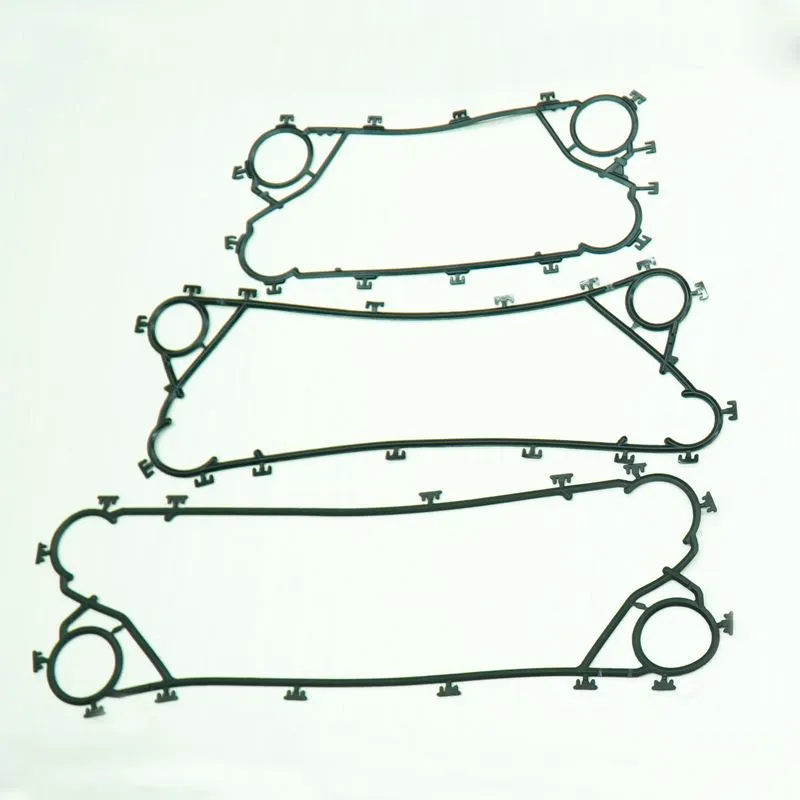
Hey there! As a supplier of PHE gaskets, I've seen firsthand how crucial these little components are in heat exchanger systems. PHE, or Plate Heat Exchanger, gaskets play a vital role in ensuring the efficient and safe operation of heat exchangers. But what factors actually affect their performance? Let's dive right in and explore this topic.
Material Quality
The quality of the material used to make PHE gaskets is perhaps the most significant factor. Different materials have different properties, and choosing the right one can make or break the gasket's performance. For example, elastomers like EPDM (Ethylene Propylene Diene Monomer) are known for their excellent resistance to heat, ozone, and weathering. They're also relatively inexpensive, making them a popular choice for many applications.
On the other hand, materials like Viton offer superior resistance to chemicals and high temperatures. If your heat exchanger is dealing with aggressive chemicals or operating at extremely high temperatures, Viton gaskets might be the way to go. You can learn more about different Plate Type Heat Exchanger Gasket Material on our website.
The manufacturing process of the material also matters. High - quality manufacturing ensures that the material has a consistent structure and properties throughout the gasket. Any impurities or inconsistencies in the material can lead to weak spots in the gasket, which may result in leaks or premature failure.
Operating Temperature
Temperature is a major player when it comes to PHE gasket performance. Most gasket materials have a specific temperature range within which they can operate effectively. If the operating temperature exceeds this range, the gasket material can start to degrade.
At high temperatures, elastomeric gaskets may lose their elasticity. This loss of elasticity can cause the gasket to lose its seal, leading to leaks. For example, if an EPDM gasket is exposed to temperatures above its recommended limit for an extended period, it may harden and crack.
Conversely, at low temperatures, the gasket material may become brittle. A brittle gasket is more likely to break or fail when subjected to pressure or movement. It's essential to choose a gasket material that can withstand the temperature conditions of your heat exchanger. You can check out Plate Heat Exchanger Rubber Gasket options that are suitable for different temperature ranges on our site.
Pressure
Pressure is another critical factor. The pressure inside a heat exchanger can vary depending on the application. PHE gaskets need to be able to withstand the pressure without leaking.
High - pressure applications require gaskets with high compressive strength. If the pressure is too high for the gasket to handle, it may be squeezed out of place or damaged. This can lead to a loss of seal and potential safety hazards.
On the other hand, in low - pressure applications, a gasket with lower compressive strength may be sufficient. However, it's still important to ensure that the gasket is properly installed and maintained to prevent any leaks.
Chemical Compatibility
The fluids flowing through the heat exchanger can have a significant impact on the gasket's performance. Different chemicals can react with gasket materials in various ways. Some chemicals may cause the gasket material to swell, while others may cause it to dissolve or degrade.
For example, if your heat exchanger is handling acidic fluids, you need to choose a gasket material that is resistant to acids. Rubber materials like Neoprene have good resistance to many acids and are often used in such applications. But for more aggressive chemicals, materials like PTFE (Polytetrafluoroethylene) may be required. You can find more information about Rubber Plate Heat Exchanger Gasket and their chemical compatibility on our website.
Installation Quality
Even the best - quality gaskets can fail if they're not installed correctly. Proper installation is crucial for ensuring a good seal and long - term performance.
During installation, the gasket needs to be placed correctly on the heat exchanger plates. It should be centered and aligned properly to prevent any gaps or uneven pressure distribution. The bolts or clamps used to secure the plates need to be tightened evenly. Uneven tightening can cause the gasket to be compressed more on one side than the other, leading to leaks.
Also, the surface of the heat exchanger plates needs to be clean and free of any debris or damage before installing the gasket. Any dirt or scratches on the plate surface can prevent the gasket from forming a proper seal.

Maintenance and Inspection
Regular maintenance and inspection are essential for ensuring the continued performance of PHE gaskets. Over time, gaskets can wear out or become damaged due to normal use.
Inspecting the gaskets periodically can help detect any signs of wear, such as cracks, tears, or swelling. If any issues are detected early, the gaskets can be replaced before they cause a major problem.
Maintenance also includes keeping the heat exchanger clean. Buildup of dirt, scale, or other contaminants can put additional stress on the gaskets and reduce their performance.
Environmental Factors
Environmental factors outside the heat exchanger can also affect gasket performance. For example, exposure to sunlight, humidity, or ozone can cause some gasket materials to degrade over time.
Sunlight can cause elastomeric gaskets to harden and crack, especially if they're not designed to be UV - resistant. High humidity can promote the growth of mold and mildew, which can damage the gasket material. Ozone in the air can react with some rubber materials and cause them to break down.
If the heat exchanger is located in an environment with harsh environmental conditions, it's important to choose a gasket material that can withstand these factors.
In conclusion, there are several factors that can affect the performance of PHE gaskets. From material quality and operating conditions to installation, maintenance, and environmental factors, each aspect plays a crucial role. As a PHE gasket supplier, we understand the importance of these factors and can help you choose the right gaskets for your specific needs.
If you're in the market for high - quality PHE gaskets or have any questions about gasket performance, don't hesitate to reach out to us. We're here to assist you in finding the best solutions for your heat exchanger applications. Let's start a conversation and get you the perfect gaskets for your project!
References
- ASME Boiler and Pressure Vessel Code
- Manufacturer's specifications for PHE gaskets
- Industry research on heat exchanger gasket performance