

In the realm of heat exchangers, gaskets play a pivotal role in ensuring efficient and reliable operation. As a seasoned heat exchanger gasket supplier, I've witnessed firsthand the diverse needs of industries and the importance of choosing the right gasket. This blog aims to delve into the key differences between high - performance and standard heat exchanger gaskets, providing valuable insights for those in the market.
1. Material Composition
One of the most fundamental differences between high - performance and standard heat exchanger gaskets lies in their material composition. Standard gaskets are typically made from common materials such as rubber, cork, or fiber. These materials are cost - effective and suitable for many general - purpose applications. For example, natural rubber gaskets are known for their good flexibility and sealing properties at moderate temperatures and pressures. They are often used in less demanding environments where the operating conditions are relatively stable.
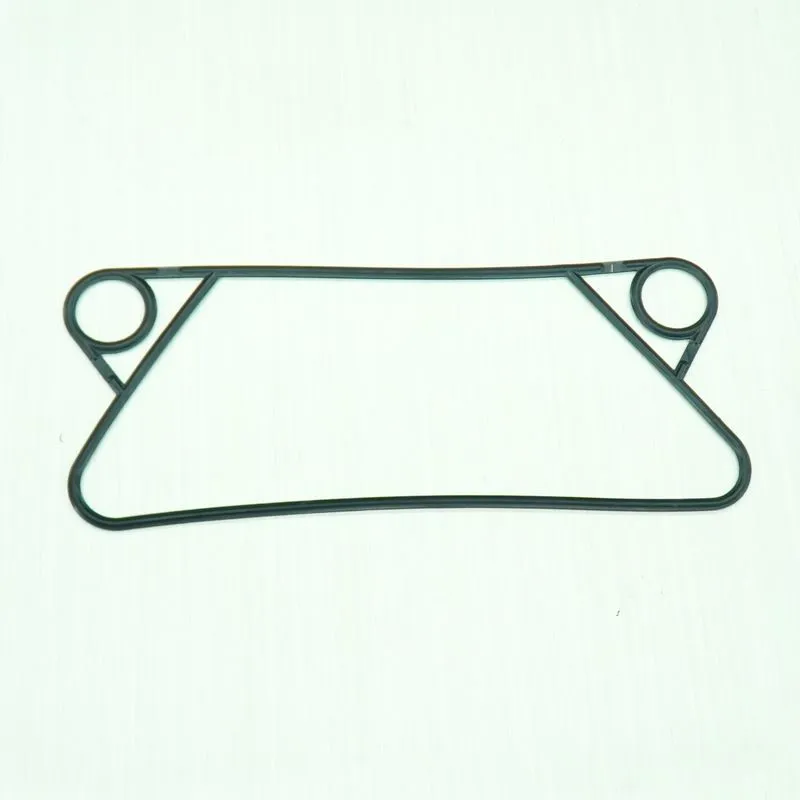
On the other hand, high - performance gaskets are crafted from advanced materials. Materials like PTFE (Polytetrafluoroethylene), graphite, and specialty elastomers are commonly used. PTFE gaskets offer excellent chemical resistance, making them ideal for applications involving corrosive fluids. Graphite gaskets can withstand high temperatures and pressures, which is crucial in industrial processes such as oil refining and power generation. Specialty elastomers, engineered to have specific properties, can provide enhanced performance in terms of heat resistance, ozone resistance, and mechanical strength. For instance, in a chemical processing plant where aggressive chemicals are used, a high - performance PTFE gasket [Heat Exchanger Rubber Gasket](https://www.example.com/plate - heat - exchanger - gasket/heat - exchanger - rubber - gasket.html) would be a better choice compared to a standard rubber gasket.
2. Sealing Performance
The sealing performance is a critical factor when it comes to heat exchanger gaskets. Standard gaskets can provide adequate sealing in normal operating conditions. They are designed to prevent leaks between the heat exchanger plates or components under moderate pressures and temperatures. However, they may have limitations when faced with extreme conditions. For example, under high - pressure differentials or rapid temperature fluctuations, standard gaskets may start to lose their sealing integrity, leading to leaks.
High - performance gaskets, on the other hand, are engineered to provide superior sealing performance. They are designed to maintain a tight seal even under extreme conditions. Their advanced materials and construction techniques allow them to withstand high pressures, high temperatures, and aggressive chemicals without compromising the seal. In a plate heat exchanger, a high - performance [Plate Heat Exchanger Rubber Gasket](https://www.example.com/plate - heat - exchanger - gasket/plate - heat - exchanger - rubber - gasket.html) can ensure a reliable seal between the plates, preventing cross - contamination of fluids and maintaining the efficiency of the heat transfer process.
3. Temperature and Pressure Resistance
Temperature and pressure resistance are key parameters in determining the suitability of a heat exchanger gasket. Standard gaskets usually have a limited temperature and pressure range. For example, a standard rubber gasket may only be suitable for applications where the temperature ranges from - 20°C to 80°C and the pressure is relatively low, typically up to a few bars.
High - performance gaskets, however, can handle much more extreme conditions. Graphite gaskets can withstand temperatures up to several hundred degrees Celsius and pressures of tens of bars. This makes them suitable for high - temperature and high - pressure applications such as steam generation and high - pressure chemical reactions. In a power plant, where steam is generated at high temperatures and pressures, high - performance gaskets are essential to ensure the safe and efficient operation of the heat exchangers.
4. Chemical Resistance
In many industrial applications, heat exchangers come into contact with various chemicals. Standard gaskets may not have sufficient chemical resistance to withstand these aggressive substances. For example, a standard cork gasket may be easily damaged by acidic or alkaline solutions, leading to premature failure of the gasket and potential leaks.
High - performance gaskets are designed with excellent chemical resistance. Materials like PTFE are highly resistant to a wide range of chemicals, including strong acids, bases, and organic solvents. This makes them ideal for use in chemical processing plants, pharmaceutical industries, and food and beverage industries where the heat exchangers need to handle different types of chemicals and fluids. A [Plate Heat Exchanger Plate Gaskets](https://www.example.com/plate - heat - exchanger - gasket/plate - heat - exchanger - plate - gaskets.html) made of PTFE can ensure long - term performance in a chemical environment without being affected by the corrosive nature of the fluids.
5. Durability and Longevity
Durability and longevity are important considerations for any heat exchanger gasket. Standard gaskets may have a shorter lifespan, especially in harsh operating conditions. They may degrade over time due to factors such as temperature, pressure, and chemical exposure. This means that they need to be replaced more frequently, which can result in increased maintenance costs and downtime for the heat exchanger.
High - performance gaskets, due to their superior materials and construction, offer greater durability and longevity. They can withstand the rigors of continuous operation in extreme conditions for a longer period. This reduces the need for frequent replacements, resulting in lower maintenance costs and increased uptime for the heat exchanger. In an industrial setting where continuous operation is crucial, the use of high - performance gaskets can lead to significant cost savings in the long run.
6. Cost
Cost is often a major factor in the decision - making process when choosing a heat exchanger gasket. Standard gaskets are generally more affordable due to their simpler materials and manufacturing processes. They are a cost - effective option for applications where the operating conditions are not too demanding and the budget is limited.
High - performance gaskets, however, come with a higher price tag. The advanced materials and sophisticated manufacturing techniques used in their production contribute to the increased cost. However, it's important to consider the long - term benefits. The superior performance, durability, and reduced maintenance requirements of high - performance gaskets can offset the initial higher cost over time. In applications where the consequences of gasket failure are severe, such as in critical industrial processes or high - value equipment, the investment in high - performance gaskets is often justified.
Conclusion
In summary, the differences between high - performance and standard heat exchanger gaskets are significant. While standard gaskets are suitable for many general - purpose applications and offer a cost - effective solution, high - performance gaskets are designed to meet the demands of extreme operating conditions. They provide superior sealing performance, temperature and pressure resistance, chemical resistance, durability, and longevity.
As a heat exchanger gasket supplier, we understand the diverse needs of our customers. Whether you require a standard gasket for a basic application or a high - performance gasket for a demanding industrial process, we have the expertise and product range to meet your requirements. If you are in the market for heat exchanger gaskets and want to discuss your specific needs, please don't hesitate to contact us for a detailed consultation and procurement negotiation. We are committed to providing you with the best - suited gaskets for your heat exchanger systems.

References
- "Handbook of Gaskets and Sealing Technology" by John H. Bickford
- "Heat Exchanger Design Handbook" by Edward U. Schlunder