

Hey there! As a supplier of plate type heat exchanger gaskets, I often get asked about the elasticity modulus of these gaskets. So, let's dive right into it and break down what this elasticity modulus is all about.
First off, what the heck is the elasticity modulus? Well, in simple terms, it's a measure of how a material responds to being stretched or compressed. You can think of it as a way to gauge a material's stiffness. When we're talking about plate type heat exchanger gaskets, the elasticity modulus tells us how much the gasket will deform under a certain amount of force and then return to its original shape when that force is removed.
Now, why is this elasticity modulus so important for plate type heat exchanger gaskets? In a plate heat exchanger, the gaskets play a crucial role. They seal the spaces between the plates to prevent the fluids from leaking out. If the gasket doesn't have the right elasticity modulus, it might not be able to create a proper seal. For example, if the modulus is too high, the gasket will be very stiff. It won't deform enough to fill in the tiny gaps between the plates, and that can lead to leaks. On the other hand, if the modulus is too low, the gasket will be too soft. It might get squeezed out of place or lose its shape over time, also causing leaks.
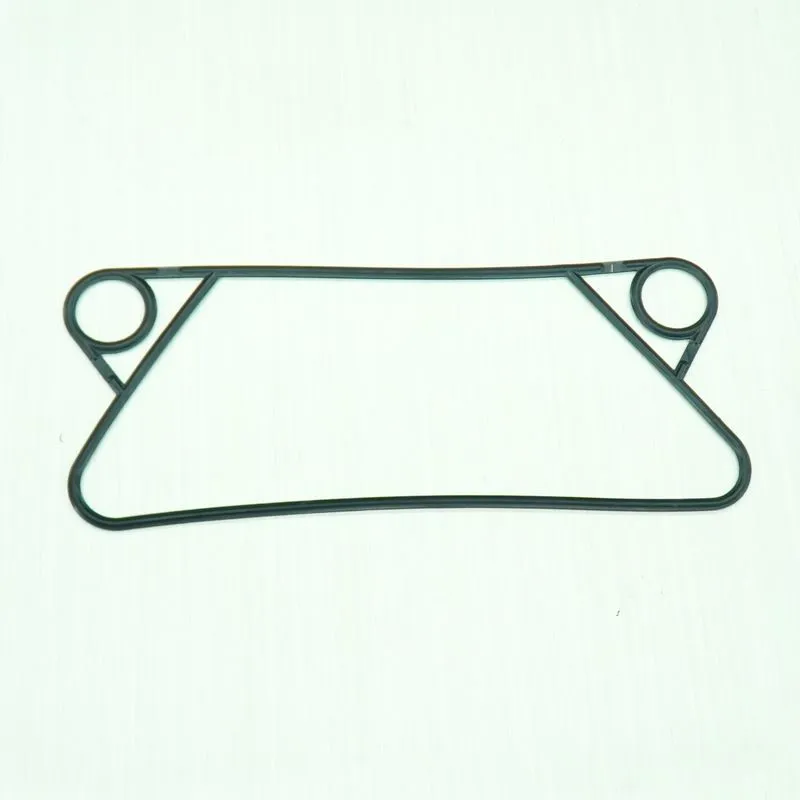
There are different types of materials used for plate type heat exchanger gaskets, and each has its own typical range of elasticity modulus. One of the most common materials is rubber. Heat Exchanger Rubber Gasket are widely used because they offer good flexibility and sealing properties. Rubber generally has a relatively low elasticity modulus compared to some other materials. This allows it to conform well to the surface of the plates and create a tight seal. But the specific modulus can vary depending on the type of rubber. For instance, natural rubber has different properties than synthetic rubbers like EPDM (Ethylene Propylene Diene Monomer) or NBR (Nitrile Butadiene Rubber).
EPDM is known for its excellent resistance to heat, ozone, and weathering. It's often used in applications where the heat exchanger is exposed to harsh environmental conditions. The elasticity modulus of EPDM gaskets is usually in a range that gives it a good balance between flexibility and strength. It can withstand the pressure inside the heat exchanger without deforming too much or losing its sealing ability.
NBR, on the other hand, is great for applications involving oils and fuels. It has a higher resistance to these substances compared to some other rubbers. The elasticity modulus of NBR gaskets is adjusted to suit the requirements of these types of environments. It needs to be flexible enough to seal the plates but also tough enough to resist the chemical attack from the oils and fuels.
Another important factor that affects the elasticity modulus of plate type heat exchanger gaskets is temperature. As the temperature changes, the properties of the gasket material can change too. In general, as the temperature increases, the elasticity modulus of most rubber materials decreases. This means the gasket becomes softer and more flexible. While this might seem like it could improve the sealing in some cases, it also means the gasket is more likely to deform under pressure. So, when designing a heat exchanger, it's crucial to consider the operating temperature range and choose a gasket material with an appropriate elasticity modulus that can maintain its sealing performance across that range.
Manufacturing processes also play a role in determining the elasticity modulus of the gaskets. How the gasket is made, including factors like the mixing of the materials, the curing process, and the molding techniques, can all impact its final properties. At our company, we pay close attention to these manufacturing details to ensure that our Plate Type Heat Exchanger Gasket have the right elasticity modulus for their intended applications.
Testing is another key aspect. We use various testing methods to measure the elasticity modulus of our gaskets. One common test is the tensile test. In this test, a sample of the gasket material is pulled at a constant rate until it breaks. By measuring the force applied and the resulting deformation, we can calculate the elasticity modulus. We also conduct compression tests to see how the gasket behaves when it's squeezed between the plates. These tests help us ensure that our gaskets meet the quality standards and performance requirements of our customers.
When it comes to choosing the right plate type heat exchanger gasket, it's not just about the elasticity modulus. You also need to consider other factors like the chemical compatibility of the gasket material with the fluids in the heat exchanger, the pressure and temperature ratings, and the cost. But the elasticity modulus is definitely a crucial factor that can't be ignored.
If you're in the market for high - quality plate type heat exchanger gaskets, we've got you covered. Our team of experts has years of experience in the industry, and we use the latest manufacturing techniques and materials to produce gaskets with the optimal elasticity modulus for your specific needs. Whether you need Plate Heat Exchanger Gasket Material for a small - scale industrial application or a large - scale commercial project, we can provide you with the right solution.
Don't hesitate to reach out to us for more information or to start a discussion about your procurement needs. We're always happy to help you find the perfect plate type heat exchanger gaskets for your business.
References:

- Engineering textbooks on materials science and heat exchanger design
- Industry standards and guidelines for heat exchanger gaskets