

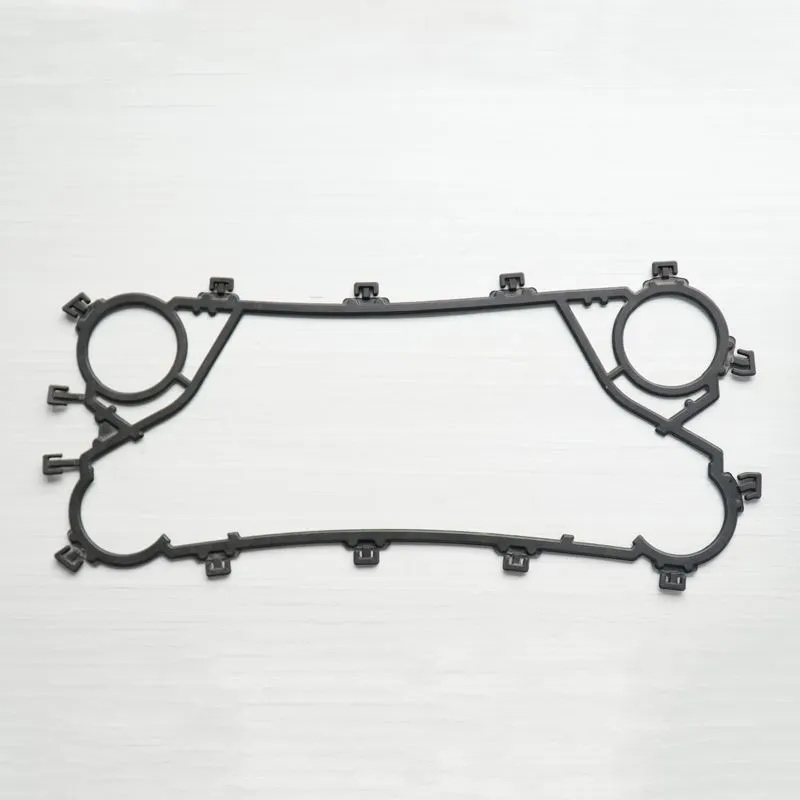
Heat exchanger rubber gaskets play a crucial role in the efficient and safe operation of heat exchangers. These gaskets are designed to seal the joints between the plates of a heat exchanger, preventing the leakage of fluids and maintaining the integrity of the heat transfer process. However, like any other component, heat exchanger rubber gaskets require regular maintenance to ensure their optimal performance and longevity. In this blog, as a heat exchanger rubber gasket supplier, I will delve into the various aspects of the maintenance cost of heat exchanger rubber gaskets.
Understanding the Importance of Gasket Maintenance
Before discussing the maintenance cost, it is essential to understand why maintaining heat exchanger rubber gaskets is so important. Gaskets are subject to a variety of stresses during operation, including temperature variations, pressure fluctuations, and chemical exposure. Over time, these stresses can cause the gaskets to degrade, leading to leaks and reduced heat exchanger efficiency. A leaking gasket can result in significant losses, such as product contamination, energy waste, and even equipment damage. Therefore, regular maintenance of gaskets is necessary to prevent these issues and ensure the smooth operation of the heat exchanger.
Factors Affecting Maintenance Cost
1. Material Quality
The quality of the rubber material used in the gaskets has a significant impact on the maintenance cost. High - quality rubber materials are more resistant to heat, chemicals, and mechanical stress. They have a longer service life and require less frequent replacement. For example, gaskets made from EPDM (Ethylene Propylene Diene Monomer) rubber are known for their excellent resistance to heat and weathering, while Viton gaskets offer superior chemical resistance. On the other hand, low - quality rubber gaskets may degrade quickly, leading to more frequent replacements and higher maintenance costs. You can find more information about Plate Heat Exchanger Gasket Material.
2. Operating Conditions
The operating conditions of the heat exchanger also play a vital role in determining the maintenance cost of the gaskets. High - temperature and high - pressure applications put more stress on the gaskets, accelerating their degradation. Similarly, exposure to aggressive chemicals can cause the rubber to swell, crack, or lose its sealing properties. In such harsh operating conditions, gaskets may need to be replaced more frequently, increasing the maintenance cost.
3. Installation Quality
Proper installation is crucial for the long - term performance of heat exchanger rubber gaskets. Incorrect installation, such as improper alignment, over - tightening, or under - tightening of the bolts, can cause uneven stress distribution on the gaskets, leading to premature failure. Therefore, ensuring that the gaskets are installed correctly by trained personnel can reduce the need for frequent replacements and lower the maintenance cost.
4. Maintenance Schedule
A well - defined maintenance schedule is essential for keeping the maintenance cost of heat exchanger rubber gaskets under control. Regular inspections can help detect early signs of gasket degradation, such as cracks, wear, or loss of elasticity. By replacing the gaskets at the appropriate time, before they start to leak, you can avoid costly downtime and repairs.
Components of Maintenance Cost
1. Gasket Replacement Cost
The most obvious component of the maintenance cost is the cost of replacing the gaskets. This includes the cost of the gaskets themselves, as well as the labor cost associated with the replacement. The cost of gaskets can vary widely depending on the material, size, and complexity of the design. For example, custom - made gaskets for specialized applications may be more expensive than standard off - the - shelf gaskets. You can explore a wide range of Heat Exchanger Gasket options.
2. Inspection Cost
Regular inspections are necessary to monitor the condition of the gaskets. This may involve visual inspections, non - destructive testing, or other diagnostic methods. The cost of inspection includes the labor cost of the inspectors, as well as the cost of any testing equipment used.
3. Downtime Cost
When a heat exchanger needs to be shut down for gasket replacement or inspection, it results in downtime. Downtime can have a significant impact on the overall productivity of the plant, leading to lost production and revenue. The cost of downtime includes the lost production, as well as any additional costs associated with restarting the heat exchanger, such as pre - heating or re - commissioning.
4. Cleaning Cost
In some cases, the gaskets and the heat exchanger plates may need to be cleaned to remove dirt, debris, or chemical deposits. Cleaning can help extend the service life of the gaskets and improve the heat transfer efficiency of the heat exchanger. The cleaning cost includes the cost of cleaning agents, as well as the labor cost of the cleaning personnel.
Strategies to Reduce Maintenance Cost
1. Select High - Quality Gaskets
As mentioned earlier, investing in high - quality rubber gaskets can significantly reduce the maintenance cost in the long run. Although high - quality gaskets may have a higher upfront cost, their longer service life and better performance can offset the initial investment.
2. Optimize Operating Conditions
Whenever possible, try to optimize the operating conditions of the heat exchanger to reduce the stress on the gaskets. This may involve adjusting the temperature, pressure, or chemical composition of the fluids passing through the heat exchanger.
3. Train Installation and Maintenance Personnel
Proper training of installation and maintenance personnel is essential for ensuring the correct installation and maintenance of the gaskets. Well - trained personnel can identify potential problems early and take appropriate measures to prevent gasket failure.
4. Implement a Preventive Maintenance Program
A preventive maintenance program can help you stay on top of the gasket maintenance schedule. By regularly inspecting and replacing the gaskets at the appropriate time, you can avoid costly breakdowns and downtime.

Conclusion
The maintenance cost of heat exchanger rubber gaskets is influenced by several factors, including material quality, operating conditions, installation quality, and maintenance schedule. By understanding these factors and implementing appropriate strategies, you can effectively manage the maintenance cost and ensure the reliable operation of your heat exchanger.
As a leading heat exchanger rubber gasket supplier, we offer a wide range of PHE Gaskets made from high - quality materials to meet your specific requirements. Our experienced team can provide you with expert advice on gasket selection, installation, and maintenance. If you are interested in learning more about our products or have any questions regarding heat exchanger rubber gasket maintenance, please feel free to contact us for procurement and further discussions.
References
- "Handbook of Heat Exchanger Design" by Kuppan Thulukkanam
- "Rubber Technology: Compounding, Testing, and Applications" by James F. Carley