

Hey there! As a supplier of heat exchanger rubber gaskets, I've seen firsthand how these little components play a big role in the performance of heat exchangers, especially in corrosive environments. In this blog, I'll share what I know about how heat exchanger rubber gaskets perform under such tough conditions.
Understanding Corrosive Environments
First off, let's talk about what we mean by corrosive environments. These are places where the surrounding medium can cause damage to materials over time. It could be due to chemicals like acids, alkalis, or salts, or it could be because of high humidity, temperature, or a combination of these factors. For heat exchangers, corrosive environments are pretty common, especially in industries like chemical processing, food and beverage, and power generation.
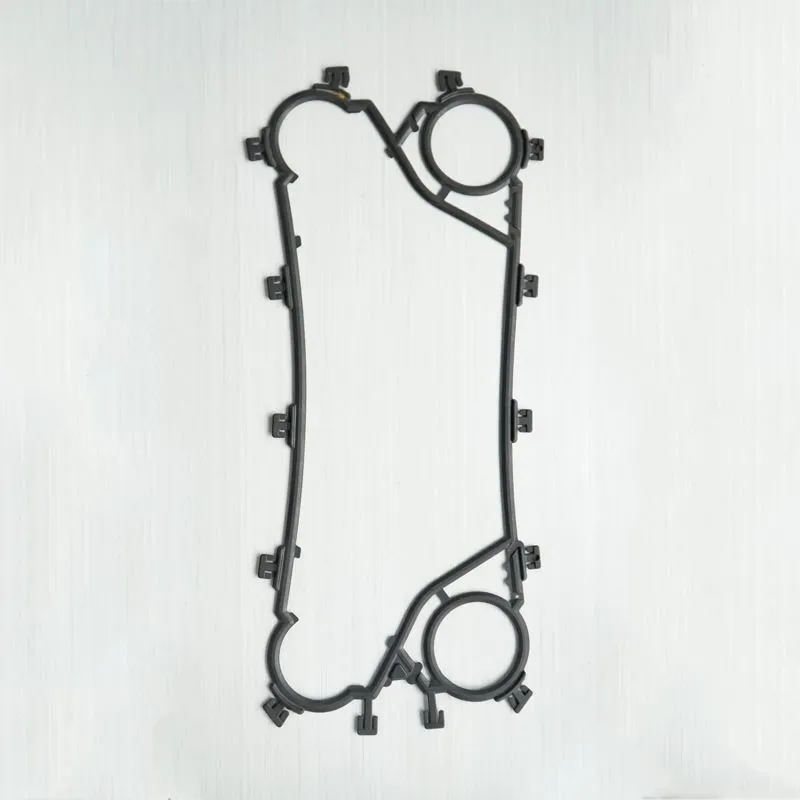
How Corrosion Affects Rubber Gaskets
Rubber gaskets are crucial for heat exchangers because they seal the joints between plates or other components, preventing leaks and ensuring efficient heat transfer. But when they're exposed to corrosive substances, several things can happen.

- Swelling or Shrinking: Some chemicals can cause the rubber to swell or shrink. When rubber swells, it might lose its shape and sealing ability. On the other hand, shrinking can lead to gaps between the gasket and the mating surfaces, allowing fluids to leak.
- Hardening or Softening: Corrosive agents can also change the mechanical properties of the rubber. Hardening can make the gasket less flexible, so it won't conform well to the surfaces it's supposed to seal. Softening, on the other hand, can make the gasket too weak and prone to tearing.
- Chemical Degradation: Over time, the chemicals in the environment can react with the rubber molecules, breaking them down. This can lead to cracks, holes, or a loss of elasticity, all of which can compromise the gasket's performance.
Performance of Heat Exchanger Rubber Gaskets in Corrosive Environments
Now, let's get into the nitty - gritty of how heat exchanger rubber gaskets actually perform in these tough situations.
Material Selection Matters
The type of rubber used in the gasket is super important. Different rubbers have different resistance levels to various corrosive substances.
- EPDM (Ethylene Propylene Diene Monomer): This is a popular choice for heat exchanger gaskets. EPDM has good resistance to water, steam, and many chemicals, including acids and alkalis. It can handle a wide range of temperatures, making it suitable for many industrial applications. For example, in a food and beverage plant where there might be contact with mild acids from fruit juices or cleaning agents, EPDM gaskets can perform well. You can check out our Plate Heat Exchanger Sealing Gasket which often uses EPDM for its excellent sealing and corrosion - resistant properties.
- NBR (Nitrile Butadiene Rubber): NBR is known for its good resistance to oils and fuels. In heat exchangers used in the automotive or petrochemical industries, where there might be exposure to these substances, NBR gaskets can be a great option. Our PHE Rubber Gasket in some cases is made of NBR to provide reliable sealing in oil - related applications.
- FKM (Fluoroelastomer): FKM is a high - performance rubber that offers excellent resistance to a wide range of chemicals, including strong acids, bases, and solvents. It can also withstand high temperatures. In chemical processing plants where extremely corrosive substances are present, FKM gaskets are often the go - to choice. Our Heat Exchanger Sealing Gasket in some models uses FKM for its outstanding chemical resistance.
Installation and Maintenance
Even the best - quality rubber gaskets need to be installed correctly and maintained properly to perform well in corrosive environments.
- Proper Installation: During installation, it's important to ensure that the gasket is clean, free of any damage, and properly seated. If the gasket is not installed correctly, it can be more prone to leaks and premature failure. For example, if the gasket is stretched or compressed unevenly, it might not seal properly, allowing corrosive fluids to penetrate.
- Regular Inspection: Regular inspections can help detect any signs of corrosion or damage early on. This could include checking for swelling, cracking, or changes in the gasket's color or texture. If any issues are found, the gasket should be replaced promptly to prevent further problems.
Long - Term Performance
In the long run, the performance of heat exchanger rubber gaskets in corrosive environments depends on how well they can withstand the continuous exposure to corrosive substances. A high - quality gasket made from the right material and installed correctly can last for a long time, reducing the need for frequent replacements and downtime. However, over time, even the most corrosion - resistant gaskets will eventually degrade. It's important to have a plan in place for monitoring and replacing gaskets as needed to ensure the continued operation of the heat exchanger.
Why Choose Our Heat Exchanger Rubber Gaskets
As a supplier, we take pride in offering high - quality heat exchanger rubber gaskets. We source the best materials and use advanced manufacturing processes to ensure that our gaskets have excellent performance in corrosive environments.
- Customization: We understand that different applications have different requirements. That's why we offer customized gaskets to meet your specific needs. Whether you need a gasket with a special shape, size, or material, we can make it for you.
- Quality Assurance: We have strict quality control measures in place to ensure that every gasket we produce meets the highest standards. Before leaving our factory, each gasket is thoroughly tested to ensure its performance and durability.
- Technical Support: Our team of experts is always ready to provide you with technical support. If you have any questions about choosing the right gasket for your application or need advice on installation and maintenance, we're here to help.
Let's Connect!
If you're in the market for heat exchanger rubber gaskets and want to learn more about how our products can perform in your corrosive environment, don't hesitate to get in touch. We're eager to discuss your requirements and find the best solution for you. Whether you're a small business or a large industrial enterprise, we have the products and expertise to meet your needs. So, let's start a conversation and see how we can work together to keep your heat exchangers running smoothly.

References
- "Handbook of Elastomers" by Bhowmick, Anil K., and Stephens, Howard L.
- "Rubber Technology: Compounding, Mixing, and Vulcanization" by Morton, Maurice.
- Industry reports on heat exchanger technology and rubber gasket performance.