

Hey there! As a supplier of PHE gaskets, I often get asked about the tensile strength of these little but crucial components. So, I thought I'd take a deep dive into this topic and share what I know with you all.
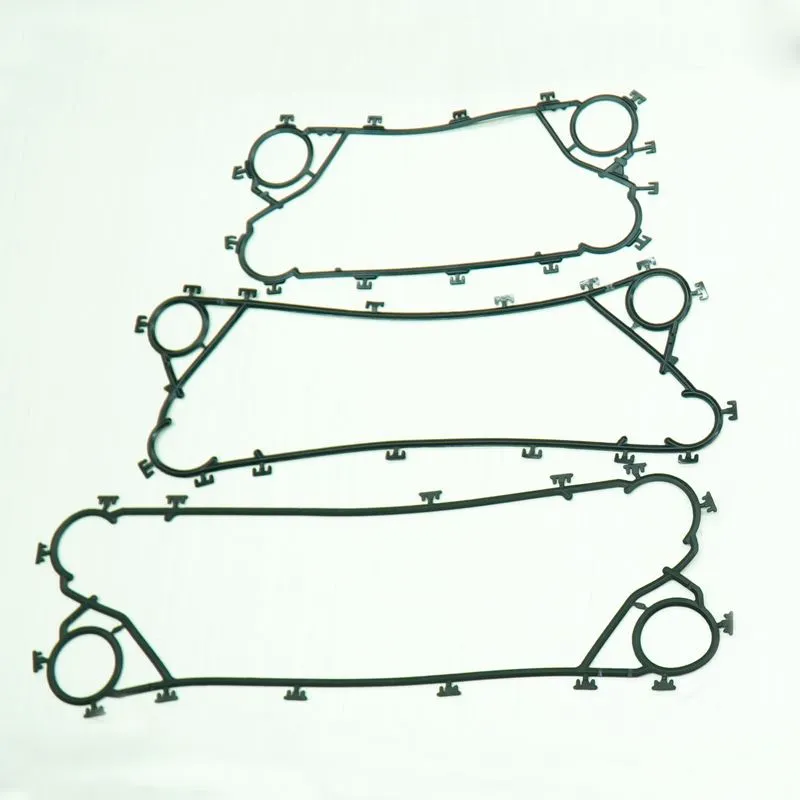
First off, let's understand what PHE gaskets are. PHE stands for Plate Heat Exchanger, and these gaskets play a vital role in ensuring the proper functioning of plate heat exchangers. They seal the gaps between the plates, preventing any leakage of fluids and maintaining the efficiency of the heat transfer process.
Now, let's talk about tensile strength. Tensile strength is the maximum stress that a material can withstand while being stretched or pulled before it breaks. In the context of PHE gaskets, it's a key property because these gaskets are often subjected to various forces during installation and operation.
The tensile strength of PHE gaskets can vary significantly depending on several factors. One of the most important factors is the material used to make the gasket. Different materials have different inherent properties, which directly affect their tensile strength.
For example, Plate Heat Exchanger Gasket Material can range from rubber to various synthetic polymers. Rubber gaskets, like Plate Heat Exchanger Rubber Gasket, are quite common. Natural rubber has a certain level of tensile strength, but it can be affected by factors such as temperature and exposure to chemicals.
Synthetic rubber materials, on the other hand, are often engineered to have better performance characteristics. They can offer higher tensile strength, better resistance to heat, chemicals, and aging. For instance, nitrile rubber (NBR) is known for its good oil resistance and relatively high tensile strength, making it a popular choice for PHE gaskets in applications where oil or fuel might be present.
Another type of material used for PHE gaskets is EPDM (Ethylene Propylene Diene Monomer). EPDM gaskets have excellent weather resistance, good electrical insulation properties, and a decent tensile strength. They are often used in applications where the gasket will be exposed to outdoor conditions or in systems where water or steam is present.
Silicone rubber is also used for PHE gaskets, especially in applications where high - temperature resistance is required. Silicone gaskets can withstand temperatures up to several hundred degrees Celsius while still maintaining a reasonable level of tensile strength.
The manufacturing process of the PHE gaskets also has an impact on their tensile strength. A well - made gasket with proper vulcanization (in the case of rubber gaskets) or molding techniques (for polymer gaskets) will have a more consistent and higher tensile strength compared to a poorly manufactured one.
During the manufacturing process, factors like the quality of the raw materials, the precision of the mixing process (for rubber compounds), and the curing time and temperature all play a role in determining the final tensile strength of the gasket.
In addition to material and manufacturing process, the design of the PHE gasket can influence its tensile strength. Gaskets with a thicker cross - section generally have a higher tensile strength because they have more material to resist the pulling forces. However, a thicker gasket might not always be the best option, as it could affect the sealing performance or the fit within the plate heat exchanger.
The shape of the gasket also matters. Some gasket designs are more prone to stress concentration points. For example, a gasket with sharp corners or sudden changes in cross - section might have lower tensile strength at those points because the stress is not evenly distributed. A well - designed gasket will have a smooth and uniform shape to ensure that the tensile stress is evenly distributed across the entire gasket.
When it comes to testing the tensile strength of PHE gaskets, there are standard procedures in place. A sample of the gasket is typically cut into a specific shape, usually a dumbbell shape, and then pulled at a constant rate using a tensile testing machine. The machine measures the force applied and the corresponding elongation of the sample until it breaks. The maximum force recorded is then used to calculate the tensile strength of the gasket material.
It's important to note that the tensile strength requirements for PHE gaskets can vary depending on the specific application. In some industrial processes, where the pressure and temperature are very high, gaskets with extremely high tensile strength are needed to ensure reliable sealing and prevent leakage. In other less demanding applications, a gasket with a lower tensile strength might be sufficient.
As a PHE gasket supplier, I always recommend that customers consider the specific requirements of their plate heat exchanger system when choosing a gasket. Factors like the type of fluids being handled, the operating temperature and pressure, and the environmental conditions all need to be taken into account.
If you're in the market for PHE gaskets, I'd be more than happy to help you find the right ones for your needs. Whether you're looking for a Plate Heat Exchanger Rubber Gasket or a Plate Type Heat Exchanger Gasket, we have a wide range of options available. Just reach out to us, and we can discuss your requirements in detail and provide you with the best possible solution.
In conclusion, the tensile strength of PHE gaskets is a complex topic that depends on multiple factors such as material, manufacturing process, design, and application requirements. By understanding these factors, you can make an informed decision when selecting PHE gaskets for your plate heat exchanger system.

If you have any questions or if you're interested in starting a procurement discussion, don't hesitate to get in touch. We're here to make sure you get the best gaskets for your needs.
References
- ASTM D412 - Standard Test Methods for Vulcanized Rubber and Thermoplastic Elastomers - Tension
- ISO 37 - Rubber, vulcanized or thermoplastic — Determination of tensile stress - strain properties