

In the world of industrial heat transfer, plate heat exchangers play a crucial role in various applications, from chemical processing to food and beverage production. At the heart of these efficient heat transfer systems are the gaskets that seal the plates together, ensuring a leak - free operation. One common question that often arises is whether a plate heat exchanger gasket can withstand high - speed fluid flow. As a plate heat exchanger gasket supplier, I will delve into this topic and provide a comprehensive analysis.
Understanding Plate Heat Exchanger Gaskets
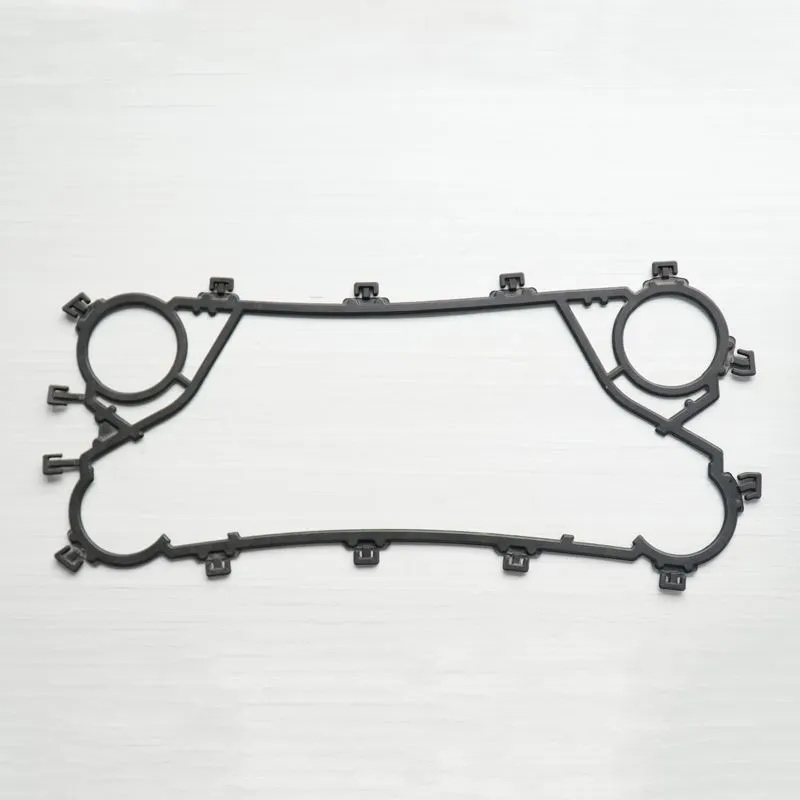
Before we discuss the ability of gaskets to withstand high - speed fluid flow, it's essential to understand what plate heat exchanger gaskets are. Plate heat exchanger gaskets are used to create a seal between the plates in a heat exchanger. They prevent the mixing of different fluids and ensure that each fluid flows through its designated channels. These gaskets come in various materials, such as PHE Gaskets, PHE Rubber Gasket, and Plate Type Heat Exchanger Gasket, each with its own unique properties and characteristics.
The most common materials for plate heat exchanger gaskets include rubber compounds like EPDM (Ethylene Propylene Diene Monomer), NBR (Nitrile Butadiene Rubber), and FKM (Fluoroelastomer). These materials are chosen for their chemical resistance, flexibility, and ability to maintain a seal under different operating conditions.
Challenges Posed by High - Speed Fluid Flow
High - speed fluid flow can present several challenges to plate heat exchanger gaskets. One of the primary concerns is the increased hydrodynamic forces acting on the gaskets. As the fluid velocity increases, the pressure drop across the gasket also increases. This can lead to a phenomenon known as gasket blow - out, where the pressure differential between the two sides of the gasket becomes too large, causing the gasket to be forced out of its groove.
Another challenge is the potential for erosion and abrasion. High - speed fluids can carry particles or debris that can wear down the gasket material over time. This can lead to a loss of gasket integrity, resulting in leaks and reduced heat exchanger efficiency.
Vibration is also a significant issue. High - speed fluid flow can induce vibration in the heat exchanger plates and gaskets. Over time, these vibrations can cause fatigue in the gasket material, leading to cracks and ultimately failure.
Factors Affecting Gasket Performance under High - Speed Fluid Flow
Several factors influence the ability of a plate heat exchanger gasket to withstand high - speed fluid flow.
Material Selection
The choice of gasket material is crucial. Different materials have different resistance levels to hydrodynamic forces, erosion, and vibration. For example, FKM gaskets are known for their excellent chemical resistance and high - temperature performance, making them suitable for applications where high - speed, aggressive fluids are present. On the other hand, EPDM gaskets are more flexible and have good resistance to water and steam, making them a popular choice for less aggressive applications.
Gasket Design
The design of the gasket also plays a vital role. Gaskets with a proper cross - sectional shape and profile can better withstand high - speed fluid flow. For example, a gasket with a well - designed sealing lip can provide a more effective seal and resist the forces exerted by the fluid. Additionally, the groove design in the heat exchanger plates where the gasket is installed is important. A properly designed groove can provide better support for the gasket and prevent it from being displaced.
Installation Quality
Proper installation is essential for the long - term performance of the gasket. If the gasket is not installed correctly, it may not be able to withstand the forces generated by high - speed fluid flow. For example, if the gasket is not evenly compressed or is installed with a misalignment, it can lead to uneven stress distribution, increasing the risk of failure.
Testing and Evaluation
To ensure that plate heat exchanger gaskets can withstand high - speed fluid flow, rigorous testing and evaluation are necessary.
Hydrodynamic Testing
Hydrodynamic testing involves subjecting the gasket to fluid flow at different velocities and pressures. This testing can help determine the maximum fluid velocity and pressure that the gasket can withstand without failure. During the test, the gasket is monitored for signs of leakage, displacement, or damage.
Erosion and Abrasion Testing
Erosion and abrasion testing can be performed by exposing the gasket to a fluid containing abrasive particles at high speeds. This testing can simulate real - world conditions and help evaluate the gasket's resistance to wear.
Vibration Testing
Vibration testing is used to assess the gasket's ability to withstand the vibrations induced by high - speed fluid flow. The gasket is subjected to controlled vibrations, and its performance is monitored over time.
Case Studies
Let's look at some real - world case studies to illustrate the performance of plate heat exchanger gaskets under high - speed fluid flow.

In a chemical processing plant, a heat exchanger was experiencing frequent gasket failures due to high - speed flow of a corrosive chemical. After conducting a detailed analysis, it was found that the original EPDM gaskets were not suitable for the aggressive nature of the fluid. The plant switched to FKM gaskets, which had better chemical resistance. Additionally, the gasket design was optimized to improve its resistance to hydrodynamic forces. After these changes, the gasket failures were significantly reduced, and the heat exchanger's efficiency improved.
In a power generation plant, high - speed steam flow was causing vibration - related failures in the heat exchanger gaskets. By implementing vibration - damping measures and using gaskets with a more flexible design, the plant was able to reduce the vibration levels and extend the gasket's service life.
Conclusion
In conclusion, a plate heat exchanger gasket can withstand high - speed fluid flow, but it depends on several factors, including material selection, gasket design, and installation quality. By carefully considering these factors and conducting proper testing and evaluation, it is possible to select and install gaskets that can perform reliably under high - speed fluid flow conditions.
As a plate heat exchanger gasket supplier, we understand the importance of providing high - quality gaskets that can meet the demanding requirements of our customers. Our team of experts can help you select the right gasket material and design for your specific application, ensuring optimal performance and long - term reliability.
If you are facing challenges with your plate heat exchanger gaskets under high - speed fluid flow or are looking for a reliable gasket supplier, we invite you to contact us for a consultation. We are committed to providing you with the best solutions for your heat exchanger needs.
References
- "Handbook of Plate Heat Exchangers" by J. F. Mueller
- "Materials Science and Engineering: An Introduction" by William D. Callister, Jr.
- Industry reports on plate heat exchanger gasket performance and testing.