

Tear strength is a critical property when it comes to plate heat exchanger gaskets. As a seasoned supplier of plate heat exchanger gaskets, I've witnessed firsthand the impact that tear strength can have on the performance and longevity of these essential components. In this blog, we'll delve into the tear strength properties of plate heat exchanger gaskets, exploring what it means, why it matters, and how it can affect your heat exchanger system.
Understanding Tear Strength
Tear strength refers to the ability of a material to resist tearing when a force is applied. In the context of plate heat exchanger gaskets, it's the measure of how well the gasket can withstand the stresses and strains that occur during normal operation. These stresses can come from a variety of sources, including pressure differentials, thermal expansion and contraction, and mechanical vibrations.
When a gasket has high tear strength, it's less likely to tear or rupture under these conditions. This is crucial because a torn gasket can lead to leaks, which can compromise the efficiency of the heat exchanger and potentially cause damage to the surrounding equipment. On the other hand, a gasket with low tear strength may fail prematurely, leading to costly downtime and replacement.
Factors Affecting Tear Strength
Several factors can influence the tear strength of plate heat exchanger gaskets. One of the most significant factors is the material used to make the gasket. Different materials have different tear strength properties, and choosing the right material for your application is essential.
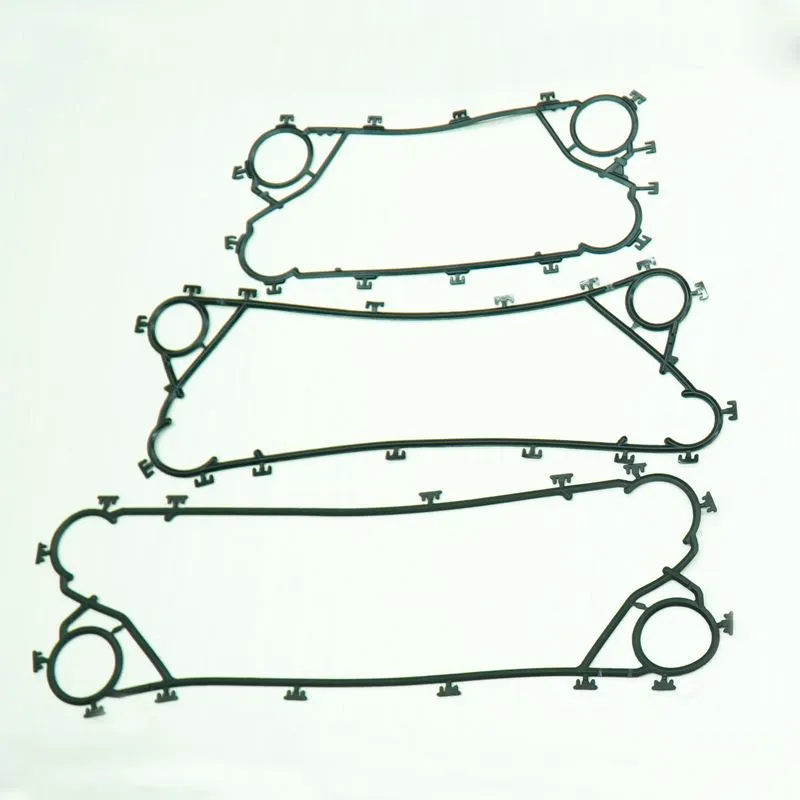
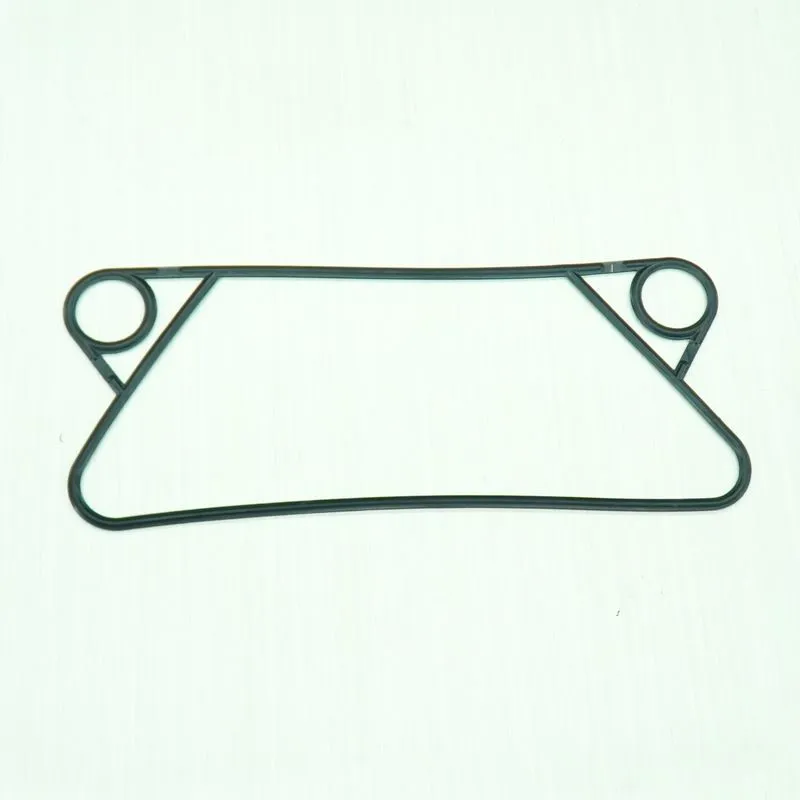
- Rubber Materials: Rubber is a common material used in plate heat exchanger gaskets due to its excellent sealing properties and flexibility. However, not all rubbers are created equal when it comes to tear strength. For example, Heat Exchanger Rubber Gasket made from nitrile rubber (NBR) generally has good tear strength and is resistant to oil and fuel. EPDM rubber, on the other hand, offers high tear strength along with excellent resistance to weathering, ozone, and high temperatures.
- Reinforcement: Some gaskets are reinforced with materials such as fabric or wire to improve their tear strength. Reinforcement can help distribute the stress more evenly across the gasket, reducing the likelihood of tearing. For instance, a Rubber Plate Heat Exchanger Gasket with fabric reinforcement can have significantly higher tear strength than an unreinforced gasket.
- Manufacturing Process: The manufacturing process can also have an impact on tear strength. Proper mixing, curing, and molding techniques are essential to ensure that the gasket has consistent tear strength properties throughout. Any defects or inconsistencies in the manufacturing process can weaken the gasket and reduce its tear strength.
Importance of Tear Strength in Plate Heat Exchangers
The tear strength of plate heat exchanger gaskets is of utmost importance for several reasons.
- Sealing Integrity: A gasket with high tear strength is better able to maintain its shape and integrity under pressure, ensuring a tight seal between the heat exchanger plates. This is crucial for preventing leaks and maintaining the efficiency of the heat exchanger. Even a small tear in the gasket can allow fluid to escape, leading to reduced heat transfer efficiency and potential contamination of the surrounding environment.
- Longevity: Gaskets with high tear strength are more durable and less likely to fail prematurely. This means that they can withstand the rigors of continuous operation for longer periods, reducing the need for frequent replacements. By investing in gaskets with good tear strength, you can save on maintenance costs and minimize downtime.
- Safety: In some applications, such as in the chemical or food processing industries, a leaking gasket can pose a significant safety risk. A gasket with high tear strength helps to prevent leaks, ensuring the safety of the operators and the surrounding environment.
Testing Tear Strength
To ensure that the plate heat exchanger gaskets meet the required tear strength standards, various testing methods are available. One common method is the trouser tear test, where a specimen of the gasket material is cut into a trouser shape and pulled apart at a constant rate. The force required to tear the specimen is measured, and the tear strength is calculated based on this measurement.
Another method is the Graves tear test, which is similar to the trouser tear test but uses a different specimen shape. These tests provide valuable information about the tear strength properties of the gasket material and can help manufacturers ensure that their products meet the necessary quality standards.
Choosing the Right Gasket for Tear Strength
When selecting plate heat exchanger gaskets, it's important to consider the tear strength requirements of your specific application. Here are some tips to help you choose the right gasket:
- Understand Your Application: Consider the operating conditions of your heat exchanger, including the pressure, temperature, and the type of fluids being used. This will help you determine the level of tear strength required for the gasket.
- Select the Right Material: Based on your application requirements, choose a gasket material with the appropriate tear strength properties. Consult with a gasket supplier or an industry expert if you're unsure which material is best for your needs.
- Look for Reinforcement: If your application requires high tear strength, consider gaskets with reinforcement. Reinforced gaskets can provide additional strength and durability, especially in high-stress applications.
Conclusion
Tear strength is a crucial property of plate heat exchanger gaskets that can have a significant impact on the performance, longevity, and safety of your heat exchanger system. By understanding the factors that affect tear strength, testing the gaskets to ensure they meet the required standards, and choosing the right gasket for your application, you can ensure that your heat exchanger operates efficiently and reliably.
As a trusted supplier of Plate Heat Exchanger Rubber Gasket, we offer a wide range of gaskets with excellent tear strength properties. Our team of experts can help you select the right gasket for your specific needs and provide you with the support and guidance you need to ensure a successful installation.
If you're interested in learning more about our plate heat exchanger gaskets or have any questions about tear strength, please don't hesitate to contact us. We're here to help you find the best solution for your heat exchanger needs.
References
- ASTM D624 - Standard Test Method for Tear Strength of Conventional Vulcanized Rubber and Thermoplastic Elastomers.
- ISO 34 - Rubber, vulcanized or thermoplastic - Determination of tear strength.