


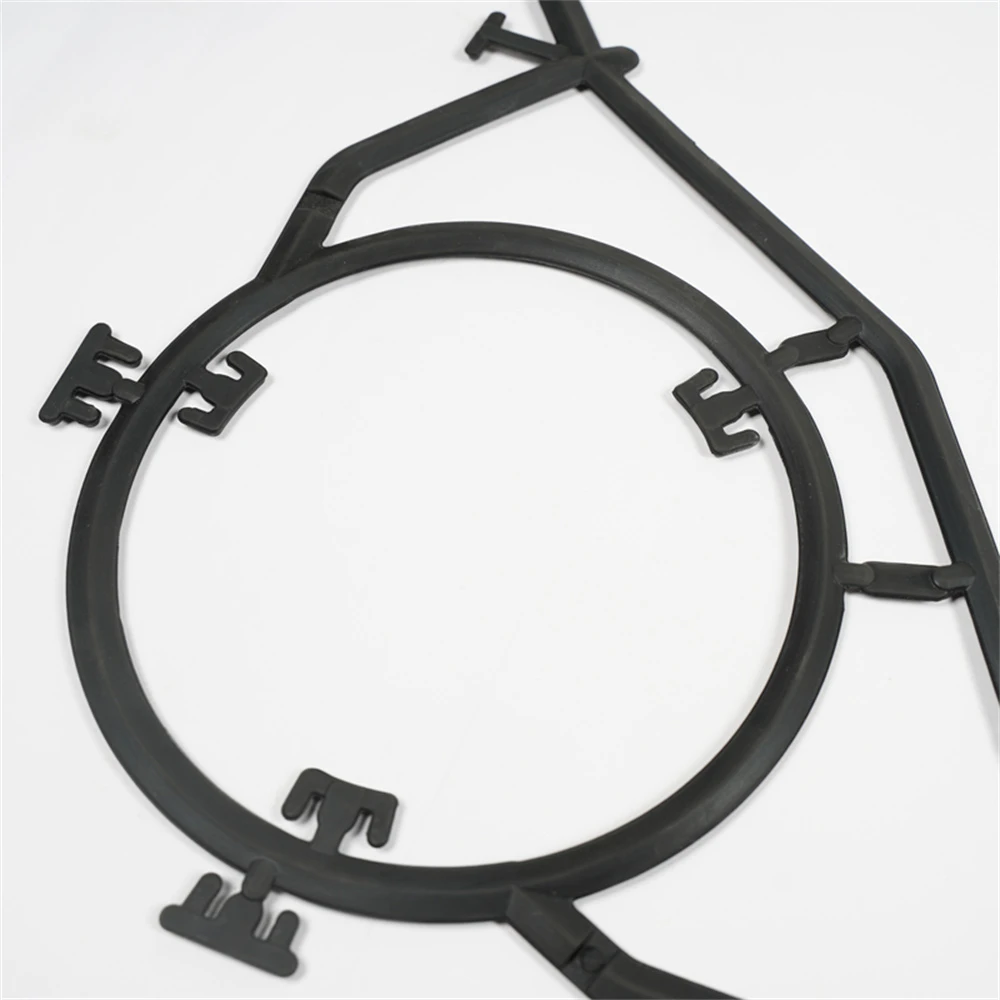
As an important sealing component in a plate heat exchanger, Rubber Gasket For Plate Heat Exchanger is exposed to pressure, temperature changes, and different media environments during operation. Over time, its performance may gradually change. Therefore, during use, it is necessary to determine whether replacement is required based on the operating condition of the equipment and the actual condition of the gasket.
First, media leakage can be used as an important indicator for judging the condition of the gasket. If external leakage occurs during the operation of the plate heat exchanger, or abnormal mixing of hot and cold media is found, it usually indicates that the sealing performance of the gasket may have been affected. Since the main function of the rubber gasket is to maintain sealing between the heat exchanger plates, reduced elasticity or damage to the sealing area may lead to decreased sealing performance and require timely inspection.
Second, the appearance of the rubber gasket should be checked regularly. Under normal operating conditions, the gasket should maintain good fitting performance. If obvious aging, hardening, cracks, deformation, or partial damage appears on the gasket surface, it indicates that the material performance may have declined. Continued use may affect equipment stability, and replacement should be considered according to the actual situation.
In addition, the operating condition of the equipment is also an important basis for judging whether the gasket needs replacement. When the plate heat exchanger shows abnormal operation, reduced heat exchange performance, or requires frequent maintenance adjustments, the internal sealing components should be inspected. Changes in gasket performance may affect the flow channels between the plates and influence the overall operation of the heat exchange system.
During routine maintenance, the operating environment of the equipment should also be considered. If the equipment is used in environments with frequent temperature changes, complex media, or special working conditions, the rubber gasket may experience greater impact. In such cases, more attention should be paid to its condition. Regular inspection of the gasket's elasticity and sealing performance can help identify potential problems in advance.
It should be noted that Rubber Gasket For Plate Heat Exchanger does not necessarily need immediate replacement after minor changes appear. A comprehensive evaluation should be made based on the actual operating condition of the equipment. Through proper inspection and timely maintenance, problems caused by sealing failures can be reduced. During replacement, a suitable gasket should be selected according to the application environment and installed correctly to ensure reliable sealing performance.
Therefore, determining whether Rubber Gasket For Plate Heat Exchanger needs replacement mainly depends on factors such as leakage conditions, appearance condition, sealing performance, and overall equipment operation. Timely inspection and maintenance can improve the reliability of the plate heat exchanger and extend the service life of the equipment.